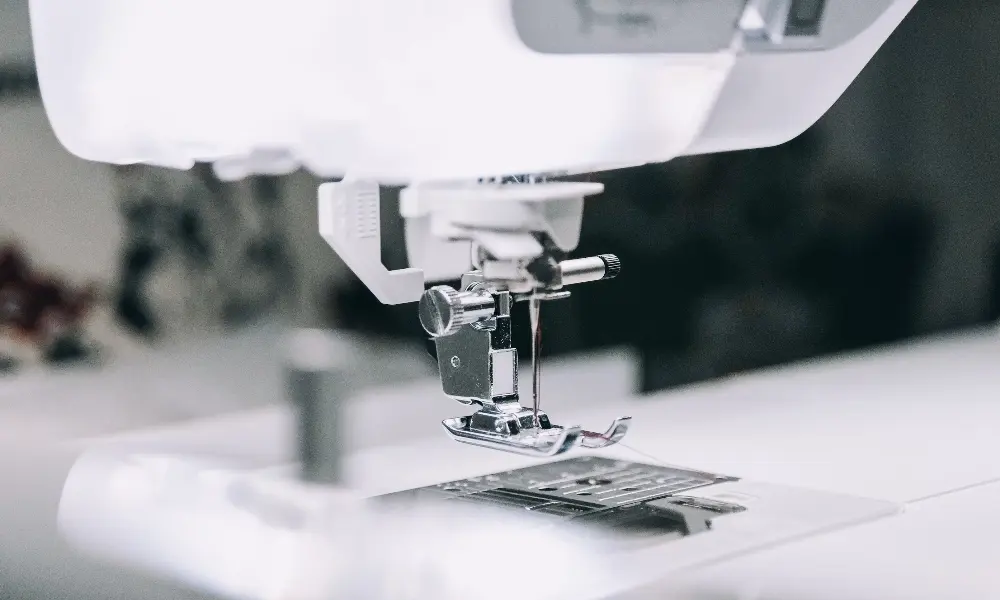
A sewing factory spare parts checklist only earns its place when it ranks items by how quickly an empty bin stops a line. Most generic checklists read like a bill of materials: complete, but not useful for a maintenance manager who has to decide what to buy this month. This article takes the opposite approach. It begins with the wear parts that fail suddenly, moves through electrical and drive items that create confusing shutdowns, and then shows how to tie the list to the machine mix on your floor. The goal is a shorter stock list that keeps production running without consuming unnecessary working capital.
Wear Parts That Stop a Sewing Line
Needles, loopers, feed dogs, and rotary hooks are not the most expensive spare parts in a sewing factory, but they are the ones that convert a small defect into a full stop. A bent needle can damage the hook, tear fabric, and force a quality hold before the operator notices the root cause. Replacing the needle alone is not enough once the hook catches a burr. The first stock tier should therefore pair each fast-wearing needle item with the mating part it can damage when it fails.
The checkpoints below cover the items that should be in the crib before the first production order, not every part a machine might eventually need.
| Part category | First stock quantity | When it stops the line | Reorder signal |
|---|---|---|---|
| Needles and needle systems | 100 per needle type | Immediate; wrong size also forces stops | Bin below 30 or weekly use speeds up |
| Loopers, feed dogs, stitch plates | 2 sets per machine model | Stitch quality falls or fabric catches | One set installed with no spare left |
| Rotary hooks and hook assemblies | 1 per 10 lockstitch machines | Skipped stitches or hook damage | Installed spare used up |
| Bobbin cases, bobbins, winder parts | 30 bobbins per model | Thread jams and uneven tension | Bobbin case spring fails |
| Knives, blades, grindstones | 5 sets per cutting or overlock unit | Dull blades raise defects | Grinding no longer restores the edge |
| Filters, seals, oil wicks | Model-specific | Poor lubrication leads to seizure | Scheduled service replacements |
For single needle lockstitch machines, the highest risk items are the rotary hook, bobbin case, and thread take-up spring. For overlock and interlock machines, loopers and knives move to the top because they wear against each other and the fabric at high speed.
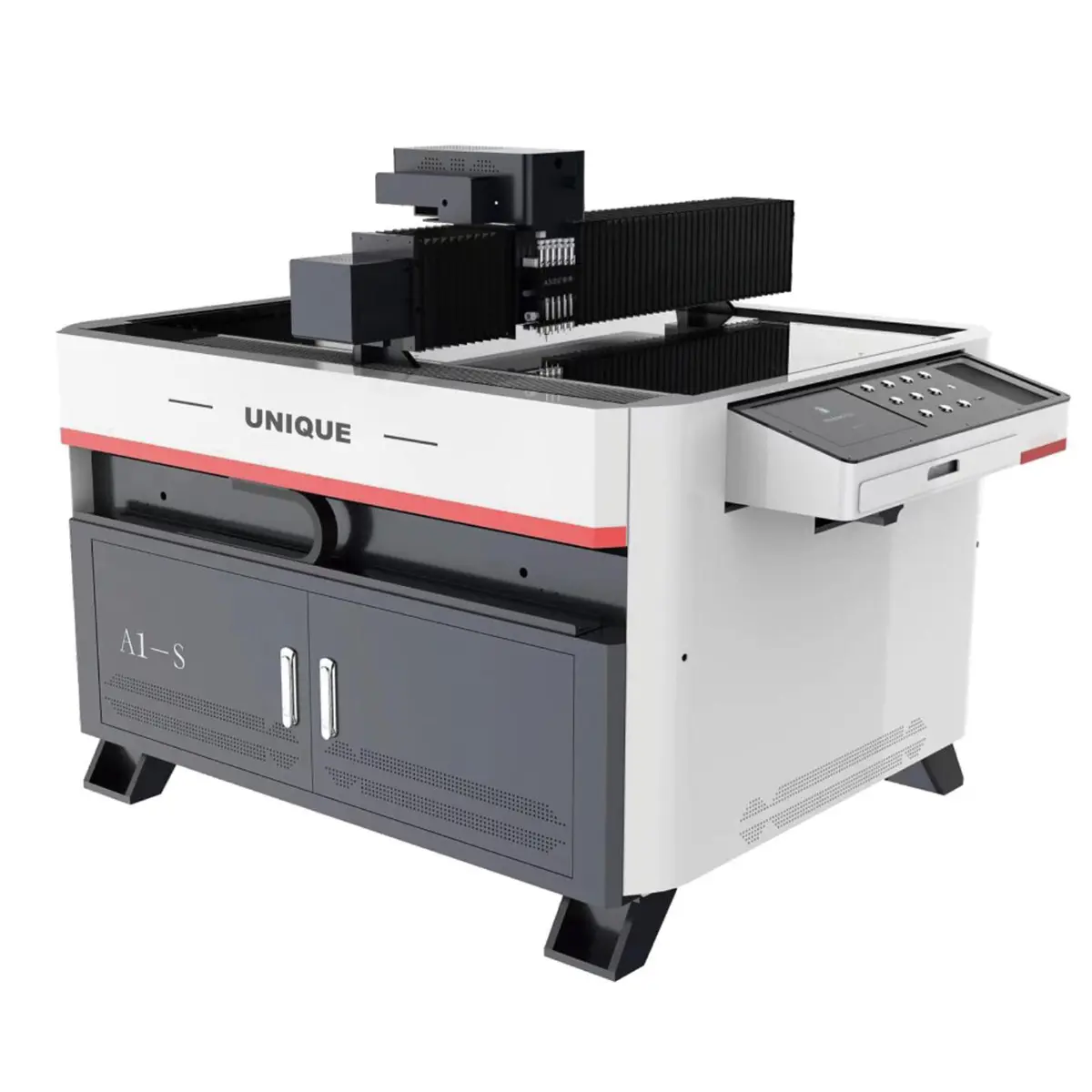
A short list still fails if the part numbers do not match the machine plate. <Your One Stop Sewing Equipment Procurement Platform> covers how consolidating machine and spare part sourcing shortens reorder time and reduces the mismatch risk that comes from ordering across several accounts.
Electrical and Drive Spares Worth Stocking
Electrical failures are harder to diagnose than a dull knife, so the list for this category has to be selective. A clutch motor heats up slowly, a servo motor throws an alarm, and a foot pedal loses its speed range without visible wear. The parts worth keeping are the ones a technician can swap without rewiring the whole table: motor belts, carbon brushes for older clutch motors, foot pedal assemblies, power switches, and control box fuses.
For direct drive machines, the drive unit is usually repaired at board level, but the encoder and cable assemblies remain replaceable on many models. Factories running electronic machines should stock the operator-facing parts before the internal boards: pedal position sensors, needle position sensors, and display panels where the local supplier can supply them quickly. Board-level failures are real but harder to predict. A 12 dollar fuse or a worn carbon brush causes more simple stoppages than a failed main board.
Keep the small electrical spares in a labeled drawer instead of leaving them in a random accessories box. Separate the drawer by machine generation, because a part number from an older clutch motor will not fit a direct drive head.
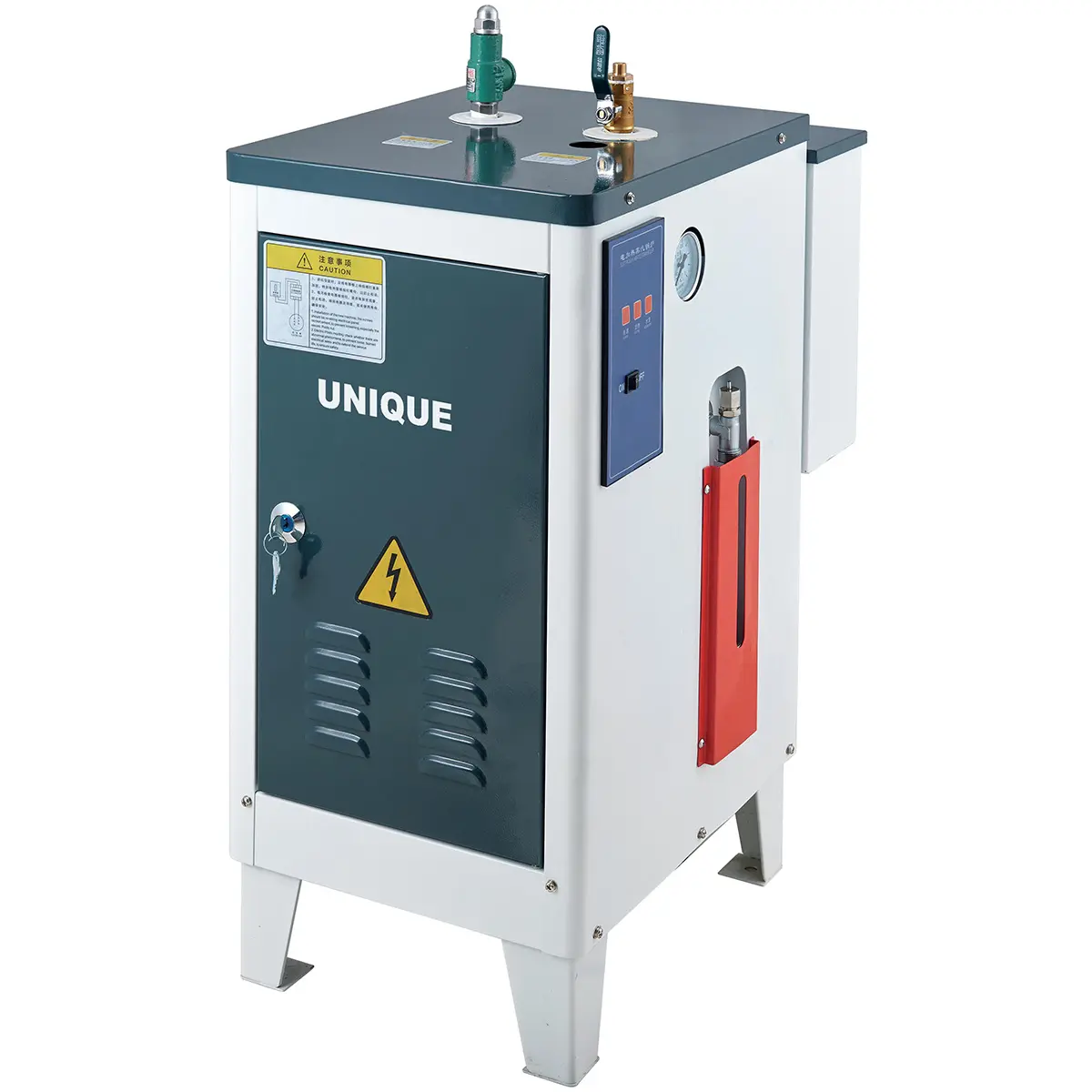
If your factory mixes mechanical, servo, and automatic stations, the spare parts schedule should separate electrical items by drive type. A wrong control cable or pedal sensor can sit on a shelf for years. Send your machine list and current drive type to sales@tzpioneer.com and ask for a matched electrical spares line before you buy generic electrical parts.
A Spare Parts List Matched to Your Machine Mix
The most common mistake is copying a spare parts list from another factory. A denim line running 30 single needle lockstitch machines does not have the same demand pattern as a knit line running overlock and interlock machines with automatic trimmers. The list has to start from the actual model mix: machine type, bed type, needle system, hook type, and whether the machine is mechanical, servo, or fully automatic. Without those fields, quantities are guesses.
Start with a simple register on a spreadsheet or crib card. For each machine group, record the model, serial number, needle system, hook part number, knife size, and drive type. Then assign each spare part a reorder point, not just a starting quantity. A reorder point is the bin level that triggers a purchase before normal lead time consumes the remaining stock. For a part with a 30 day lead time and 10 units used per month, the reorder point should sit near 20 to 30 units, depending on how much safety stock the factory can afford.
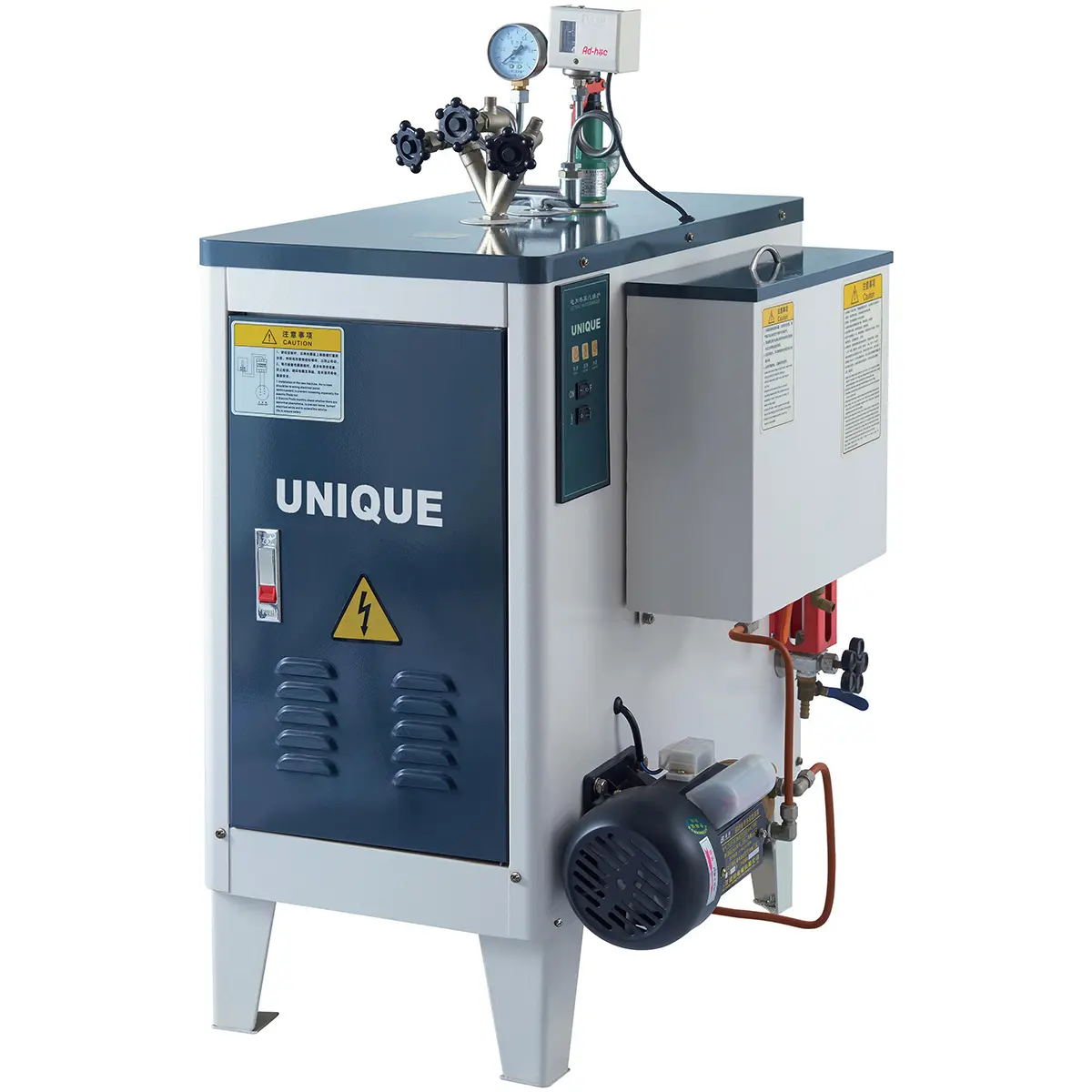
When the machine mix grows faster than the spare parts register, buyers make two errors: they stock too many universal parts and miss the supplier relationships that make the list easier to maintain. <Unique And Ekinci Makina Reaffirm Partnership For Iraq Market> covers how a local partnership with one machine group gives a national distributor faster access to model-specific spares and service.
Spare Parts Support Without the Guesswork
A spare parts list only works when someone in the supply chain can confirm the part number before the money is committed. That is where a factory with mixed machines often loses a week: the local dealer stocks only universal needles and feet, while the model-specific hook or cutter has to be confirmed in the catalog. The result is not a shortage in general. It is a shortage of the one part that fixed the line.
UNIQUE approaches the same problem from the machine side. Because we work across lockstitch, overlock, interlock, bar tacking, and special function equipment, we can check your machine model list against the right spare part families and tell you which items to stock first, in what quantity, and which parts you can leave out until a machine is actually installed. That keeps the first order smaller and more precise.
Send your machine model list, current needle systems, and the parts you have already stocked to sales@tzpioneer.com, or call +86-18069305333 with the same details. We will confirm the critical spare part schedule for your floor before you place the order.
Common Questions About Sewing Factory Spare Parts
How many spare needles should a factory keep?
A working figure is 100 needles per needle type for every 20 single needle machines, with the reorder point more important than the opening stock. Needles break from operator error, thick seams, and fabric resistance, but they are also the easiest part to change quickly. Count weekly needle usage for a month before setting a fixed reorder point. If the line uses two needle systems across lockstitch and overlock machines, keep separate bins and never mix systems in one drawer. A monthly order of two to three boxes per system is usually cheaper than emergency stops for a single pack.
Do generic spare parts work as well as original parts?
Generic parts sometimes fit, but fitting is not the same as running at full speed without adjustment. A copied rotary hook may seat correctly and still show timing drift because the surface finish and hook point profile differ from the machine maker’s specification. The risk shows up unevenly across part types. Needles, bobbins, and knives from a quality aftermarket supplier can work when the dimensions are controlled. Hook assemblies, loopers, and feed mechanisms are stricter because their geometry directly changes stitch formation. If a generic part costs 30 percent less but adds two hours of adjustment time per machine, the savings disappear.
Which spare parts should a new factory order with the first machines?
The answer depends on whether the line is being installed fresh or replacing an older model group. For a new factory, the first order should cover the parts that could stall commissioning: one spare set of knives and loopers per overlock model, spare needles in each system, extra bobbins and bobbin cases, a spare foot pedal for servo machines, and a spare hook for every ten lockstitch heads. Do not stock a full library of boards at the start. A new machine under warranty rarely fails at board level in the first year, while cutting edges and needle systems wear from day one.
How can a factory keep spare parts lead times from causing long stops?
In export programs we have quoted, the most common mistake is holding large quantities of low-risk items while keeping zero spare rotary hooks or loopers. The correct approach is to compare each part’s monthly usage with its supplier lead time and set a reorder point, not a one-time order. For model-specific parts, arrange a standing line with one supplier so the part number is already confirmed. If you are not sure which hook or knife fits a particular machine model, send your model list to sales@tzpioneer.com and ask for a matched spare parts schedule before the first emergency order.
If you’re interested, check out these related articles:
Live From Cairo Unique Shines At Egy Stitch Tex 2025
Wu Jiling Vice Chairman Of China Sewing Machinery Association And His Delegation Visited The Leading Company For Inspection And Guidance
Race Against Time Travel To 8 European Countries In 20 Days
Technology Empowers Fashion Nicerbt Unique Attends Hm Supplier Tech Summit Empowering Intelligent Upgrading Of Garment Supply Chain