Most garment factories scale decoration the wrong way: they add another heat press or a faster printer before matching the process to the order profile. Heat transfer and ink printing sit on different points of that profile, and the right choice changes once run sizes, fabric mix and wash requirements are fixed. In my experience across export sewing operations, the production floor decides the result more than the machine brand. This piece lays out how to specify presses, ink systems, curing and quality controls so you can move from samples to repeat volume without overbuying or creating a bottleneck.
Deciding Between Heat Transfer and Ink Printing for Your Run Size
Start with the order profile, not the machine catalog. Three factors separate the methods in production: run size per design, fabric composition, and the wash standard your customer will apply. Heat transfer keeps expensive or difficult printing off the garment line until pressing, which helps when a factory stores approved transfers and only presses what the pack list demands. Ink printing moves image creation closer to the order, which helps when design changes are frequent and lot sizes are small.
Heat transfer covers several workflows: screen-printed transfers, cut vinyl, digital transfers and direct-to-film sheets that are pressed under heat and pressure. Ink printing in a decoration context normally means DTG (direct-to-garment) printing or DTF (direct-to-film) film production followed by pressing. DTG prints water-based pigment ink directly onto cotton and cotton blends. DTF prints onto a release film, applies hot-melt powder, and the printed film is then heat pressed onto the garment. Each path has a different curing, storage and maintenance burden.
| Decision factor | Heat transfer workflow | Ink printing workflow | What to check before scaling |
|---|---|---|---|
| Run size and repeat orders | Store transfers, press on demand | Print on demand, no transfer inventory | Minimum order economics, operator time |
| Fabric mix | Cotton, blends, synthetics with correct transfer chemistry | DTG on cotton, DTF on cotton and blends, sublimation on polyester | Substrate compatibility and pretreatment |
| Detail and color count | High detail via printed transfers | High detail via inkjet resolution | RIP color management, white ink density |
| Hand feel | Depends on transfer type and pressure | DTG soft hand, DTF heavier with heavy white | Wash trials at production settings |
| Curing requirement | Heat press cures transfer | DTG and DTF require ink curing or pretreatment | Dryer or press capacity, dwell time |
One thing I check before any scaling decision is whether the factory can actually store and track transfers. The best press in the room does not help if a batch of printed transfers arrives from the pre-print supplier and gets left in humid storage until the adhesive shifts. That problem is less visible when you print ink on demand, but it never disappears; DTF film and powder also need controlled storage.

Heat Transfer Presses Worth Specifying Before You Scale
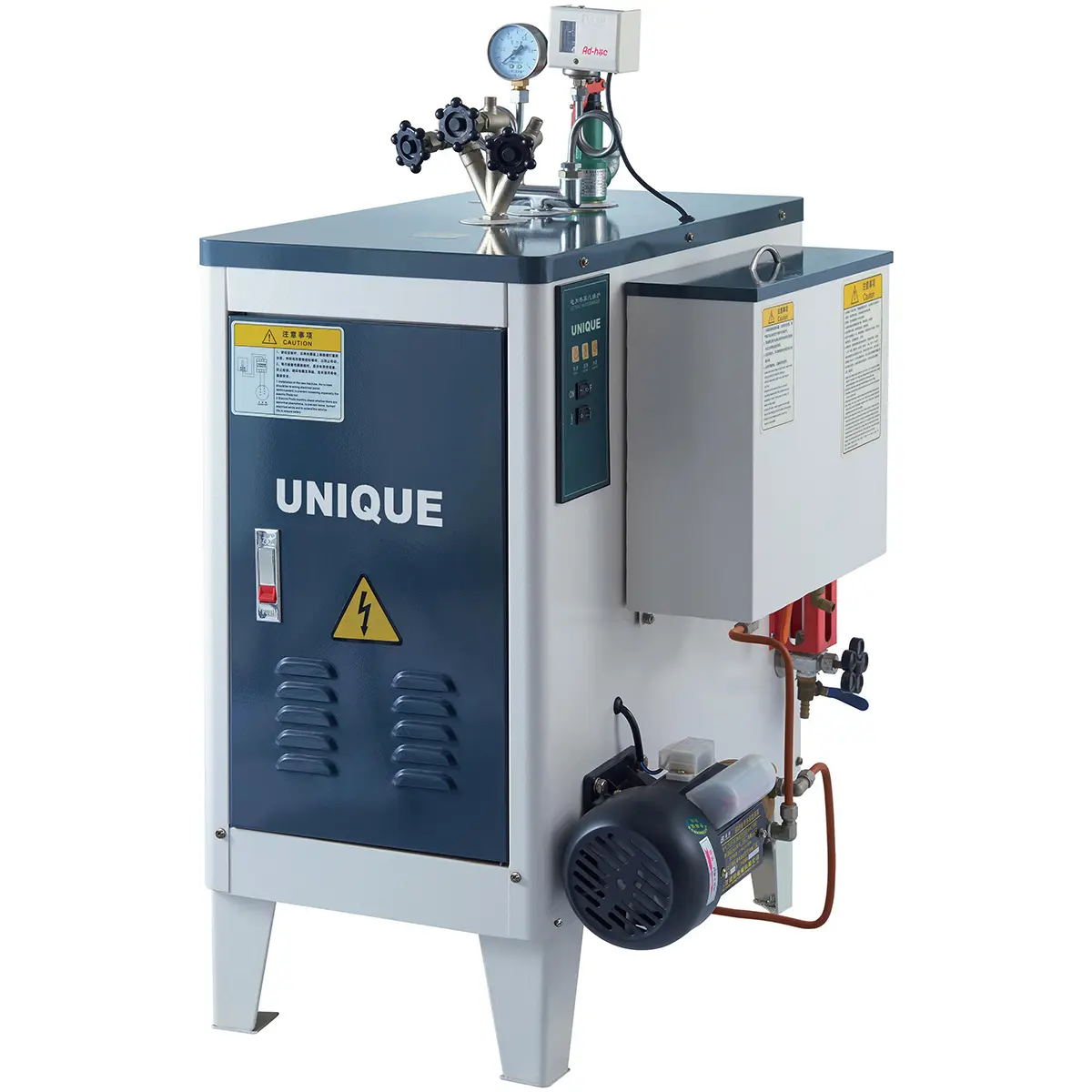
Buy the press around the largest platen you need, but do not ignore the gap between platen surface temperature and what the transfer actually sees. A large platen with uneven pressure at the corners will ruin multi-color prints even when the display says 160°C. When we quote a heat press for a scaling line, we check digital temperature control, pressure adjustment repeatability, dwell timer accuracy and whether the operator can load one side while the other side cures.
Pressure, Dwell Time and Temperature Control
Temperature is the easiest reading to trust and the easiest to misread. The transfer supplier gives a time, temperature and pressure window, and the press has to hold that window across the full platen size. I have seen factories run 10 seconds on one side of a swing-away press and 14 seconds on the other because the operator moved differently, and the wash results showed it. Specify an air-operated shuttle or automatic open/close press when consistency across shifts matters more than saving a few hundred dollars on a manual station.
Transfer Storage and Prepress Discipline
Before scaling, treat transfer stock like raw material. Record the lot, receipt date and supplier cure recommendation. Store printed transfers in low-humidity conditions and use first-in, first-out. If you are pressing DTF films, keep powder application even and melt it correctly before the garment press step. A rushed powder melt leaves a patchy deposit that passes visual inspection and fails after a few washes.
A decoration line still depends on the sewing and finishing stations around it, and buying every machine separately multiplies service and spare parts complexity. <Your One Stop Sewing Equipment Procurement Platform> covers how a coordinated equipment list shortens installation and makes spare parts demand more predictable.
Ink Printing Systems for Production-Level Garment Decoration
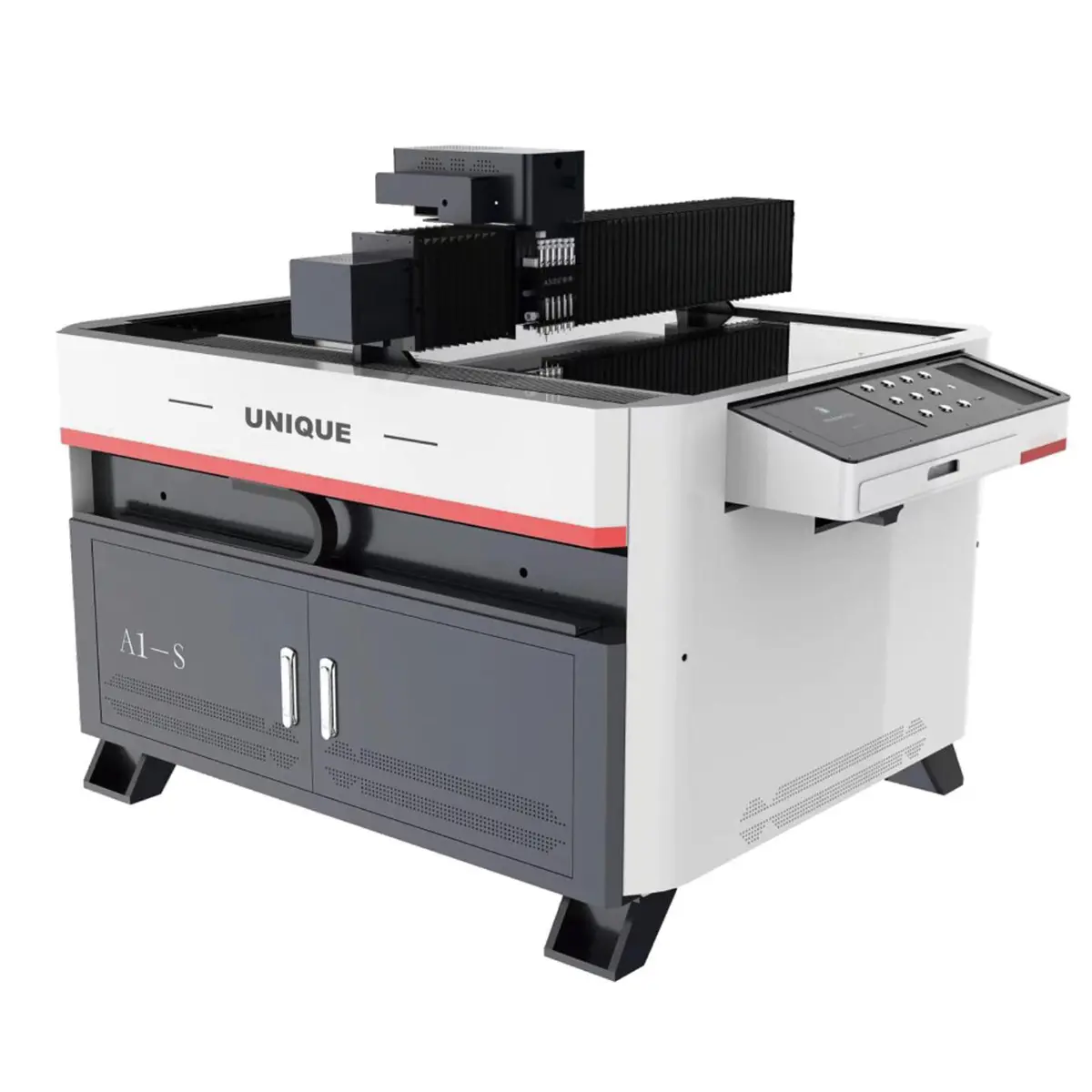
Production-level ink printing is less about resolution and more about white ink, curing and daily maintenance. A DTG printer can produce a soft-hand print on cotton but needs pretreatment, and white ink lines need regular stirring or recirculation if the machine is not running every day. A DTF system moves the print to a film and powder stage, which is attractive for dark cotton and blended substrates, but it adds film, powder and curing labor.
DTG Versus DTF for Production
Choose DTG when light cotton garments dominate and designs change quickly; setup is digital, but the production rate stays tied to pretreatment and platen loading. Choose DTF when the order mix crosses polyester blends, dark colors or unusual fabrics, because the transfer film gives a more consistent base for the adhesive. The trade-off is hand feel and powder handling.
Pretreatment, Powder and Curing Requirements
Pretreatment for DTG has to be applied evenly and dried before printing, otherwise white ink will pin poorly. DTF powder needs enough melting and final cure to pass wash testing without over-curing the film into a stiff surface. In a scaling line, the bottleneck usually moves from printing to curing, so plan dryer or press capacity at the peak print rate, not the average.
If your order mix includes both cotton basics and polyester performance wear, the ink chemistry, powder and curing line should be confirmed together before you finalize the BOM. Send your substrate list and weekly print target to sales@tzpioneer.com or call +86-18069305333, and we can check which ink path will actually fit your peak shift.
Quality Controls That Keep Decoration Consistent at Volume
Scaling does not fail because a machine cannot print fast enough; it fails because variation grows faster than management catches it. The decoration work cell needs a locked recipe, a first-piece approval and a wash check at each start-up.
- Lock the recipe by design and substrate: temperature, dwell time, pressure, transfer or ink lot, powder melt and cure.
- Run a first-piece approval after every blank change and at shift start.
- Wash one production sample per lot using the same wash standard the brand will apply; do not rely only on visual rub checks.
- Log platen surface temperature and humidity in transfer storage daily.
- Run nozzle checks and white ink circulation on DTG machines before production starts.
Over-curing and under-curing produce opposite complaints. Over-cured transfers feel stiff and can crack at high-stretch areas. Under-cured ink or adhesive passes a quick rub check and then loses color or adhesion after laundering. When we troubleshoot a failing decoration line, I ask for the last three days of platen temperature logs and a wash tested sample before I blame the ink or the transfer supplier.
Sourcing Decoration Equipment Without Overbuying Capacity
The expensive mistake in decoration is not paying for a good press; it is buying a high-speed printer for a line that only presses 200 pieces a day, or buying a manual heat press for a volume order that needs 900 impressions per shift. Overcapacity sits idle through maintenance, and undercapacity creates the worst bottleneck in the finishing room.
Taizhou Unique Machine Technology can build a decoration line around your real order profile rather than a catalog wish list. Tell us the garment types, decoration size, weekly quantity, color count and wash standard, and we will recommend a press, ink path, curing setup and spare parts schedule. Send those details to sales@tzpioneer.com or call +86-18069305333, and we will match the specification to your peak shift.
Common Questions from Buyers Scaling Up Decoration
When does heat transfer make more sense than ink printing?
Heat transfer usually makes more sense when designs are approved in advance, lots repeat, and the factory wants to keep printing and garment production separate. Transfers can be pressed to order without daily inkjet maintenance, which suits a sewing line that only decorates occasionally. The main requirement is proper transfer storage and discipline around shelf life, temperature and pressure. If the product mix includes specialty materials or high detail, a printed transfer often gives more predictable color and adhesion than an uncontrolled direct-print setup.
Can a production line run both heat transfer and ink printing?
A common mistake is treating heat transfer and ink printing as an either/or choice. Many scaling garment operations keep a heat press for transfers and add DTF or DTG for on-demand work. The constraint is floor flow and curing capacity, not the decoration method itself. If the press is already installed, the incremental cost to add DTF printing is mostly the printer, powder and film handling, while DTG adds pretreatment and white ink maintenance.
Which process gives a softer hand feel on cotton?
It depends on the transfer chemistry and the white ink laydown. Light-garment DTG with a thin pretreatment layer often gives the softest hand because the ink sits close to the fabric. A screen-printed transfer can feel close to that if it is not thick. DTF with heavy white and powder tends to feel more like a film, so it is better for durability than for luxury hand feel. Always run a wash and stretch trial before you commit.
How many prints per day should we plan for a single heat press?
In the decoration lines we specify, a single air-operated shuttle press can handle roughly 450 to 700 impressions in an 8-hour shift when the operator loads and unloads efficiently. The number drops to around 300 when prints need precise alignment or oversized graphics. Manual swing-away stations are lower and more variable because operator fatigue changes dwell time. Production planners should size the press count from the peak shift, not from the monthly average. Share your weekly quantity and substrate list, and we can confirm a realistic output range before you commit to press count.
If you’re interested, check out these related articles:
Technology Empowers Fashion Nicerbt Unique Attends Hm Supplier Tech Summit Empowering Intelligent Upgrading Of Garment Supply Chain
Key Differences Between Sewing Embroidery Cutting Machines
Your One Stop Sewing Equipment Procurement Platform