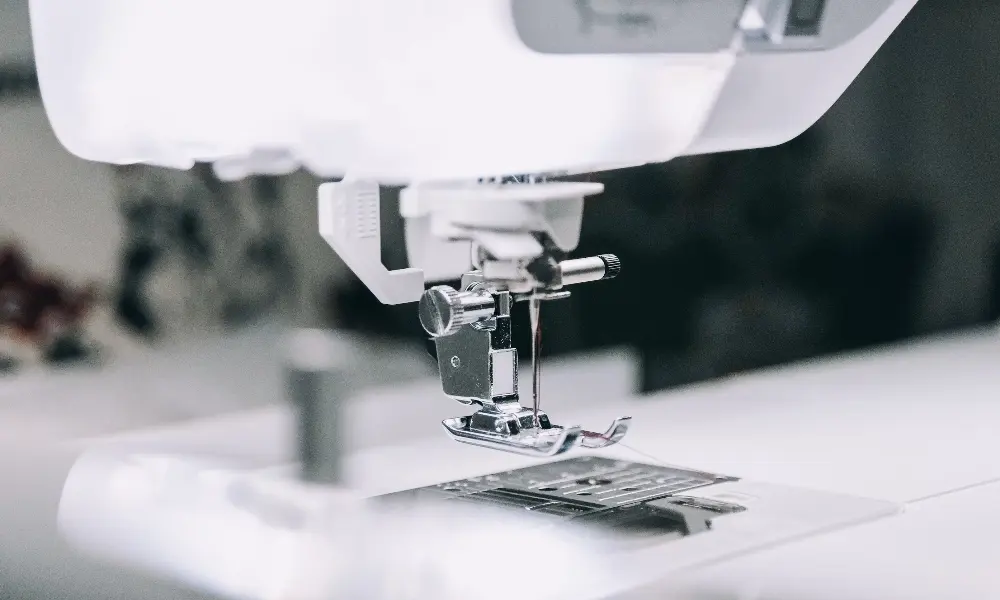
Sewing elastic successfully depends less on owning one specialized machine than on matching elastic type, stitch formation, feed control and tension to the intended garment zone. A factory that gets this right produces stable waistbands, leg openings, straps and cuffs without wavy edges, skipped stitches or snapped threads. A poorly specified setup creates rework, inconsistent sizes and seams that fail under ordinary stretch. The most useful approach is to treat elastic as a moving material: it must be fed without being overstretched, sewn with a stitch that can extend with it, and anchored without cutting through the rubber or destroying recovery. This guide covers the techniques and machine requirements factories use for activewear, underwear, swimwear, loungewear and functional garments, with practical checks buyers can use before specifying equipment.
Start With Elastic Type and Recovery
Elastic is not one material. Braided, knitted, woven and clear elastic behave differently during sewing, and each suits different product zones.
Braided elastic is firm and narrows when stretched. It works well in casings, but direct stitching through the rubber can reduce recovery and create weak points. Woven elastic is stable and does not narrow much; it is easier to topstitch and is common for waistbands, medical supports and heavier garments. Knitted elastic is soft against the skin and often used in lingerie and lightweight activewear, but it may roll or lose shape if feed tension is inconsistent. Clear elastic is thin and useful for swimwear, shirring and stabilising exposed edges, but it is more sensitive to heat and needle damage.
Recovery is the critical property: the ability of the elastic to return to its original length after extension. If an operator stretches elastic while feeding it, the finished edge may look smooth during sewing but relax into excessive gathers later. If the elastic is not tensioned enough, the garment opening may gap or lose its grip. The correct setting depends on the cut length, the garment opening, the elastic extension limit and the stitch class. Write those values down and use them as the control reference, rather than relying on each operator to pull by feel.
Stitch Choices for Sewing Elastic
Stitch choice determines how much the seam can extend and where stress concentrates. A lockstitch is strong, but its straight formation gives limited elongation when sewn through highly elastic material. It is more suitable for woven elastic that is anchored with stable topstitching than for rubber that must stretch repeatedly.
A chainstitch has more extension because the thread interlocks with itself rather than forming a tight mechanical knot. Single-needle and multi-needle chainstitch machines are common for elastic attaching because they hold the elastic securely while allowing the seam to move with the fabric. Overlock stitches trim and encase the raw edge in one pass, which makes them useful for attaching lace elastic and narrow underwear edges. Coverstitch machines produce a stretchable topstitch and are frequently used after elastic insertion on hems, cuffs and necklines.
Zigzag and three-step zigzag stitches provide both width and extension. A three-step zigzag is often the better choice for wide elastic or applications that require repeated stretch because its multiple short movements distribute stress more evenly. For smocked or shirred elastic effects, a multi-needle machine can create parallel rows with controlled gathering, but the operator must still control stitch length and elastic feed so the gathers are uniform.
There is no single best stitch for every elastic. The correct choice follows the requirement: edge finishing, topstitching, parallel attachment, decorative gathering or high-extension structural support.
Feed Control: Differential Feed and Presser Foot Setup
Feed control is where most elastic sewing problems begin. Elastic and stretch fabric can lengthen, slip, buckle or recover unevenly as they pass under the foot. A machine with differential feed gives the operator two independent feed actions, making it possible to correct the fabric and elastic already in motion.
If the edge becomes wavy or the fabric feeds too fast, a positive differential feed setting can compress the material slightly and stabilise it. If the elastic or fabric is being held too tightly, a negative setting can help extend it in a controlled way. The exact setting should come from a sample test, not from a fixed number, because elastic hardness, fabric stretch and stitch class all change the result.
Presser foot pressure also matters. Too much pressure compresses the elastic, reduces feed movement and creates uneven gathers. Too little pressure lets the layers slip and produces skipped or wandering stitches. For wide elastic, thick waistbands or layered sportswear panels, a walking foot, top feed or compound feed system often works better than a standard drop feed alone because it moves the top and bottom layers together.
The operator should attach a sample using the actual fabric, actual elastic and intended stitch, then open and stretch the seam as the buyer would. That test exposes feed problems before full production starts.

Needle, Thread and Tension Specifications
Needle selection starts with the fabric type and the risk of cutting elastic yarns. A ballpoint needle is usually safer for knitted fabrics and stretch constructions because it pushes between yarns instead of piercing them. A sharp or light ballpoint point may be needed for woven elastic or coated fabrics, but the finished sample should be inspected for visible holes and damaged rubber.
Needle size follows fabric weight and layer count. Light elastic and fine knits often suit a size 11 or 12 needle. Medium weights commonly use a 12 or 14. Thicker waistbands, padded activewear and multiple fabric layers may require a 14 or 16, but the operator should confirm that the needle clears the throat plate and does not deflect under the load.
Thread choice is equally important. A polyester-wrapped core thread provides strength, good loop formation and resistance to seam deflection. Textured polyester or nylon thread can add softness and stretch, while cotton thread is less suitable for elastic seams that need repeated recovery. Use the smallest thread size that still meets seam strength, and adjust tension so the stitch does not pull so tightly that it prevents extension.
Balanced tension matters for elastic more than for firm woven seams. If the upper thread is too tight, the seam may crack or pucker when stretched. If the bobbin thread is too loose, the stitch may lose its hold. Stretch the sample seam to the expected working extension and check for thread breakage, exposed loops and needle damage before approving the setting.
Folders, Binders and Metering Devices
Attachments turn a general sewing machine into a repeatable elastic station. A folder guides the elastic into position, folds fabric around it or aligns the edge at a consistent width. A binder applies pre-folded binding tape over elastic or fabric edges, which is useful in clean-finished activewear and underwear. A metering device controls how much elastic enters the seam, so stretch becomes repeatable instead of dependent on operator hand tension.
For waistband insertion, a powered or adjustable elastic metering unit is often more reliable than a simple guide. It can be set to feed a measured length of elastic into the garment, helping maintain size consistency across shifts. For narrow elastic, a roller or tape guide mounted close to the needle prevents twisting and keeps the elastic from wandering under the foot.
The best attachment for a factory depends on the operation volume and product range. A general machine with a well-adjusted folder may be enough for sample rooms and small batches. A dedicated elastic joining or multi-needle machine is more appropriate when the same operation runs all day and the factory must hold tight size tolerances.
Choosing the Right Machine for Elastic Applications
Machine selection should follow the application, not the other way around. The table below divides common elastic operations by machine type and the main reason each fits.
| Application | Typical machine | Why it works |
|---|---|---|
| Underwear leg and waist edges | Four-thread overlock or flatlock | Trims and encloses narrow elastic in one pass |
| Activewear hem and cuff topstitching | Coverstitch | Provides stretchable topstitch with a clean finish |
| Swimwear strap and edge elastic | Zigzag or three-step zigzag | Wide stitch formation extends with the fabric |
| Parallel waistband elastic rows | Multi-needle chainstitch | Holds alignment and produces consistent gathers |
| Smocked or shirred decorative rows | Smocking machine or multi-needle with elastic feed | Controls multiple elastic rows in one operation |
| Thick waistbands and layered panels | Walking foot, compound feed or postbed machine | Moves heavy layers without slipping |
A general lockstitch machine can still be part of the line, especially for topstitching stable woven elastic or attaching labels and care tags. It is not enough by itself for a high-stretch product line, but it does not need to be replaced when the operation does not require repeated extension.
Machine power and drive configuration also affect how stable the elastic operation remains over a full shift. A direct-drive or servo-driven machine normally gives more consistent speed control and quieter response than an older clutch motor, which helps operators hold repeatable stopping position and feed rhythm.
Elastic machine selection works best when it is treated as one station inside a wider cutting and sewing workflow. <Key Differences Between Sewing Embroidery Cutting Machines> covers how the main machine categories divide those production tasks.
Setting Up a Stable Elastic Sewing Process
A reliable process is easier to audit than a skilled operator habit. Use a first-article sample to lock the settings before letting a new style move into production.
- Record the elastic type, width, cut length and the garment opening length after attachment.
- Set the machine stitch class, needle size, thread type, presser foot and differential feed according to the sample plan.
- Sew at least three complete samples using production fabric, elastic and the intended operator.
- Measure the relaxed length and stretch each sample to the expected wearing extension.
- Check for skipped stitches, wavy edges, visible needle holes, broken elastic yarns and uneven gathers.
- Adjust only one variable at a time, then re-sew and re-measure.
- Approve the sample card, photograph the setting, and train every operator to the same visual standard.
This method gives the factory a traceable basis for approving a new elastic style. It also makes supplier discussions concrete: instead of asking for a general elastic machine, the buyer can specify the stitch class, feed requirement, folder or metering system, needle range and expected seam extension.
Once the elastic station is defined, the remaining machines should be reviewed as one coordinated equipment list. <Your One Stop Sewing Equipment Procurement Platform> covers how a matched machine package shortens installation and makes spare parts demand more predictable.
Specify Elastic Machines With the Process Data
If you are preparing a machine list for activewear, underwear, swimwear or loungewear, send the elastic type, width, garment opening, required stitch class and expected seam extension. The UNIQUE team can help match machines, folders and metering attachments to that process. Contact Taizhou Unique Machine Technology Co., Ltd. at sales@tzpioneer.com or +86-18069305333.
FAQ
Can one machine handle all elastic sewing?
Not usually. A coverstitch machine topstitches well but does not trim and encase edges like an overlock. A multi-needle chainstitch machine holds parallel rows well but is not the best choice for every edge finish. Factories should match the machine to the operation. A small workshop may start with an overlock and a zigzag or coverstitch machine, then add a multi-needle or elastic joining machine when volume increases.
Which stitch is best for swimwear elastic?
A wide zigzag or three-step zigzag is often the first choice because the stitch formation extends with the elastic and resists repeated wet stretch. Overlock can also be used for edge attachment when trimming is needed. The final decision depends on whether the seam is exposed, enclosed or topstitched, so test the exact fabric and elastic combination before committing.
Why does elastic curl or wave after sewing?
Curl and waviness usually come from feed imbalance, presser foot pressure or elastic tension. The sample should be checked in the relaxed state, not only while it is under the foot. Adjust differential feed in small steps, reduce foot pressure if the layers are being compressed, and record the setting that produces a stable edge. Changing one variable at a time makes the correction traceable.
What machine should a small factory buy first for elastic work?
Base the first purchase on the product. A factory making underwear and light activewear normally benefits most from a four-thread overlock or a zigzag machine, followed by a coverstitch once topstitching volume grows. A factory making athletic waistbands may need a multi-needle chainstitch or elastic joining machine sooner. Purchasing one flexible machine and proving the process on samples is less risky than buying several machines without test data.
If you’re interested, check out these related articles:
Unique Debuts At Gtb Expo Empowering Bangladeshs Garment Industry Upgrade With Customized Automated Solutions
Joining Hands For Progress Empowering The Future Dubais Technical Team Completes Technical Exchange And Training At Nicerbt