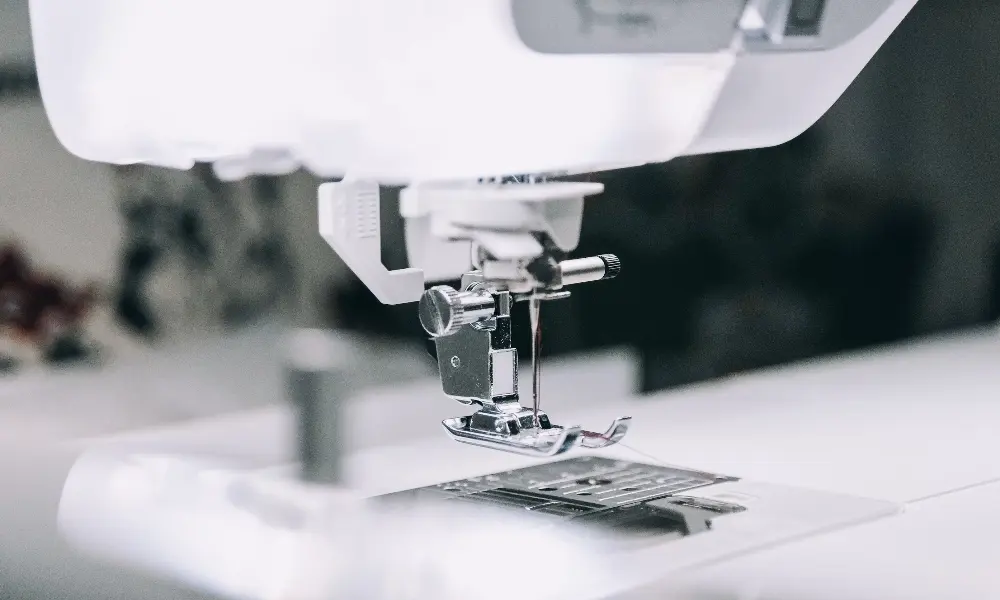
Many shirt factories start by treating formal and casual shirts as similar produtos because both use lockstitch machines for major seams. That works for the first few orders, but then collar pressing defects, seam puckering, pocket alignment and changeover time begin to show the difference. The equipment list that produces a crisp dress shirt is not always the equipment list that keeps a casual shirt line fast and flexible.
Why the Equipment Lists Diverge
A formal dress shirt and a casual shirt share the same basic stitch-forming mechanisms, but their value is concentrated in different places. Formal shirts are judged on clean collar stand lines, sharp cuffs, straight plackets, consistent topstitch and stable pressing after repeated washing. Most of these operations depend on precise fusing, shaping and pressing rather than on a special stitch type. In many formal shirt seams, the ISO 4915:1991 class 301 lockstitch remains the core seam [1].
Casual shirts made from flannel, chambray, oxford, denim or knit allow a wider mix of chainstitch, overlock and coverstitch. That changes the machine balance. The plant still needs single-needle lockstitch capacity, but it often needs more overlock and coverstitch stations, and it may tolerate simpler pressing if the style mix is more relaxed.
The common buying mistake is to purchase an identical line for both products. A better approach is to build a shared lockstitch foundation, then add formal finishing workstations or casual overlock and coverstitch capacity based on actual order volume.
Formal Shirt vs Casual Shirt: Machine Needs at a Glance
The following comparison shows where the two lines diverge. Seam references follow ISO 4916:1991 classification [2].
| Requirement | Formal Shirt Emphasis | Casual Shirt Emphasis |
|---|---|---|
| Fabric range | Poplin, twill, fine oxford, dobby | Flannel, chambray, denim, oxford, knit |
| Primary stitch classes | 301 lockstitch, topstitching | 301 lockstitch plus 401 chainstitch and 504 overlock |
| Collar construction | Fused, shaped, precisely turned | Soft interlining, button-down or band collar |
| Front placket | Clean edge, consistent topstitch | Flat-fell, covered placket or hemmed front |
| Pockets | Set-in patch, exact position | Curved patch, utility pocket, heavier bartacks |
| Cuffs | Turn-back, fused, rectangular | Adjustable, rib-knit or soft rectangular |
| Pressing need | High: parts pressing, under-collar, final finish | Medium: garment finishing and steam ironing |
| Automation focus | Collar, cuff, placket, pocket setting | Overlock/coverstitch automation, lower changeover cost |
Formal Shirt Core Equipment
A formal shirt line should not begin with a generic garment machine and a hope that attachments will solve the problem. The collar, cuff, placket and front edge are the production bottlenecks, so the equipment plan should be built around those operations.
The practical core includes:
- Single-needle lockstitch machines with auto thread trimming, needle positioning and backtack.
- Fusing machines for collar and cuff interlining.
- Collar turning, pressing and shaping workstations.
- Template machines for collar run-stitching, cuff stitching, plackets and pocket flaps.
- Pocket setting equipment when patch pockets must be placed within tight tolerance.
- Buttonhole machines specified for the required formal buttonhole type.
- Button attaching machines.
- Pressing equipment for under-collar pressing, placket pressing and final garment shaping.
For a baseline machine comparison, start with the sewing machine for shirt category rather than a general-purpose lockstitch list. The difference is usually in the attachment system, throat plate options and needle position control, which affect how cleanly a collar band or narrow placket can be produced.
The quality of a formal shirt is often decided before the main seams are sewn. If the interlining is not fused evenly, or if the collar corners are not shaped under pressure, the later stitching cannot fully correct the defect.
Casual Shirt Core Equipment
A casual shirt line can share the single-needle lockstitch base, but it adds more variety in seam construction. Depending on whether the product is a woven casual shirt, a denim shirt or a knit style, the line may need:
- Single-needle lockstitch machines for plackets, labels and topstitch.
- Overlock machines for side seams and armholes.
- Coverstitch or chainstitch machines for hems and decorative seams.
- Flatlock machines when a flat seam finish is required.
- Buttonholing machines for round or keyhole buttonholes.
- Button attaching and label máquina de costuras.
- Bar tacking machines for stress points on pockets, cuffs and plackets.
- Zigzag or coverstitch capacity for knit cuffs and rib collars.
- A lighter fusing requirement when collars are soft or non-fused.
Many casual shirt factories over-invest in lockstitch machines and under-invest in overlock and coverstitch capacity. The result is that side seams and hems become the bottleneck, especially when the fabric is thicker or has a looser weave.
Before you commit to separate equipment lists, define the actual style mix. A factory making 70% formal and 30% casual shirts often needs a shared lockstitch base, one formal finishing cell and one overlock/coverstitch cell, not two complete lines. If you are building a mixed line, send the style list and daily output target to sales@tzpioneer.com to avoid paying twice for machines that will sit idle.
Shared Foundation: Cutting, Fusing, Sewing, and Pressing
Despite the differences, the two product types share a common equipment foundation. The buyer should specify this foundation for the hardest operation in the mix, not for the easiest.
Cutting is one area where the requirements overlap. Formal shirts often require single-ply or low-ply cutting to protect checked and striped pattern matching. Casual shirts can sometimes use higher lays, but printed and plaid casual fabrics still need careful spreading and matching. A straight knife, band knife and spreading equipment are common to both lines.
Fusing is more demanding in formal shirts because collar and cuff interlining must bond evenly and hold its shape through repeated laundering. A reliable fusing machine protects this part of the process.
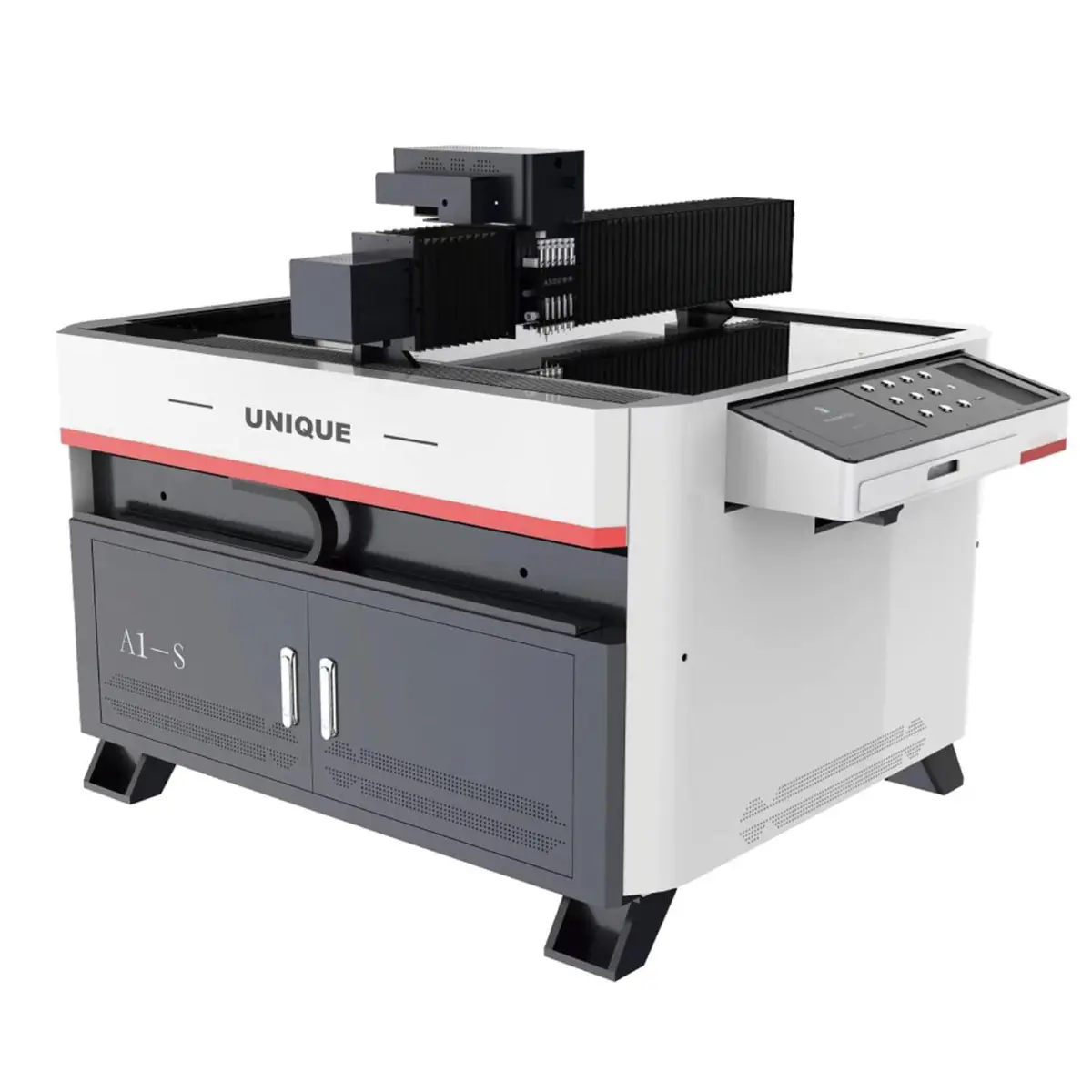
The sewing foundation is usually a single-needle lockstitch group. For heavier casual fabrics such as denim or thick twill, needle-feed or compound-feed machines may be needed to reduce ply slippage. That is an equipment addition, not a replacement for the standard lockstitch group.
Pressing is where the two lines demand different amounts of steam and station time. Formal shirts need under-collar pressing, cuff pressing and careful panel preparation. Casual shirts usually need less parts pressing but still require consistent final garment finishing. A correctly sized boiler and ironing table setup prevents this department from becoming the hidden bottleneck.
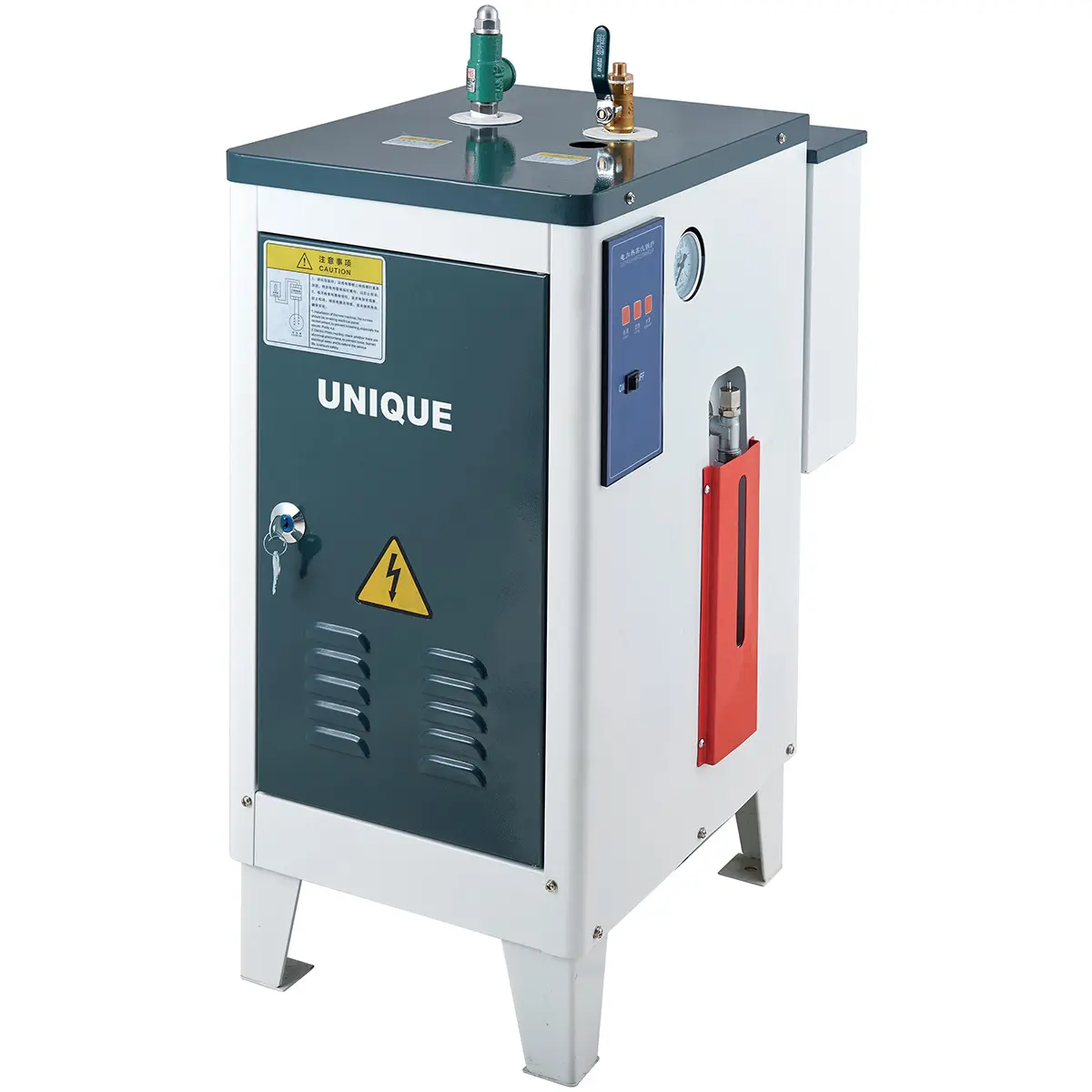
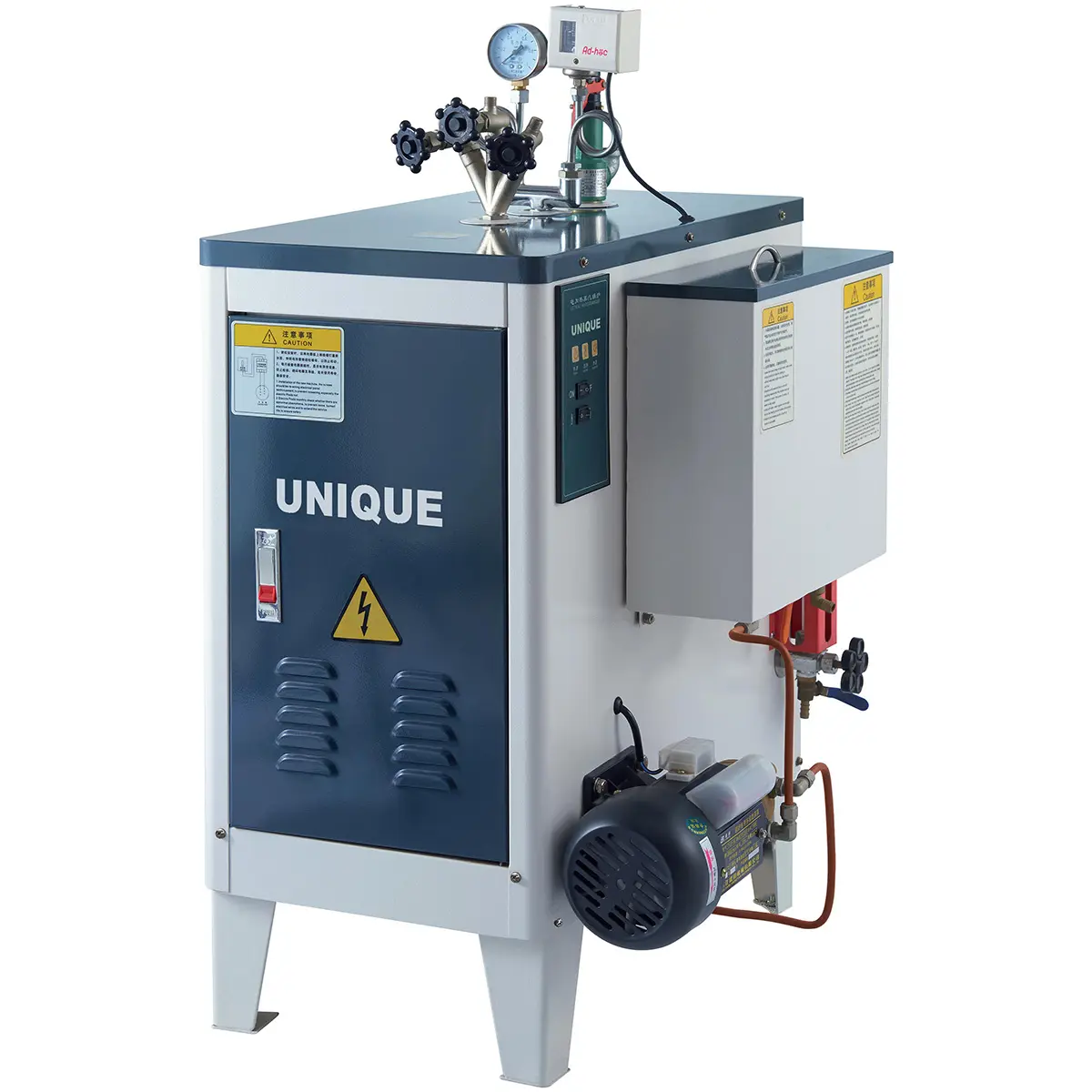
Energy-efficient steam generation matters when the pressing stations are spread across a large finishing area. Selecting the right power class from the outset avoids the common problem of adding another boiler later because the first one could not serve simultaneous collar, cuff and body pressing stations.

Shirt production is not a single-machine decision; it is a system decision across cutting, fusing, sewing, pressing and material handling. <Sua plataforma única de aquisição de equipamentos de costura> covers how to consolidate sourcing and reduce the gaps between departments.
Labor, Layout, and Changeover
Formal shirt lines are usually more operator-sensitive at the collar, cuff, placket and pressing stations. These operations require consistent handling, and one under-trained operator can create quality losses across the entire line. For that reason, many formal shirt plants use template machines and specialized presser foot attachments to reduce the dependence on highly skilled hand positioning.
Casual shirt lines face a different pressure: changeover. When the line moves from a lightweight woven style to a denim shirt or a knit style, the machine settings, needle sizes, thread tension and presser foot choices all change. Using clear stitch and seam standards helps stabilize this process. ASTM D6193 provides practical guidance for stitch and seam selection in apparel production, which simplifies operator training and quality auditing across both formal and casual lines [3].
Layout should follow the material flow rather than machine type. A workable mixed line often places the shared lockstitch section in the center, with formal collar and cuff workstations on one side and overlock/coverstitch stations on the other. This keeps specialized operators near the operations they perform most often.
Automation is often the difference between a casual line that flexes with fast-changing orders and one that becomes a bottleneck. <Unique Debuts At Gtb Expo Empowering Bangladeshs Garment Industry Upgrade With Customized Automated Solutions> covers how customized automated equipment is being applied to garment factories facing exactly this mix of precision and volume.
Equipment Selection Checklist
Use this sequence when neither a purely formal nor a purely casual line is obvious:
- Confirm the formal-to-casual production split by style and output.
- Define the fabric range and required seam classes.
- Build the shared single-needle lockstitch foundation first.
- Add fusing and parts-pressing capacity for formal styles.
- Add overlock, coverstitch and chainstitch capacity only for actual casual volume.
- Add template machines where collar, cuff, placket or pocket operations create a quality bottleneck.
- Size steam generation from simultaneous pressing stations, not from boiler horsepower alone.
- Validate the line with first-piece inspection before bulk production.
A realistic mixed line is usually not the most expensive equipment list nor the cheapest one. It is the list that places specialization at the operations where specialization protects quality or speed.
Plan the Right Shirt Line
The formal versus casual equipment decision is rarely about buying more machines. It is about placing the right specialization at the right operations. A precise fusing and pressing cell protects formal shirt quality, while overlock and coverstitch capacity protects casual shirt speed. Taizhou Unique Machine Technology Co., Ltd. can help configure a complete line across cutting, sewing, fusing, pressing and automation. Send your style list, fabric range and daily output target to sales@tzpioneer.com or call +86-18069305333 for a practical configuration and quotation.
FAQ
Do I need two separate sewing lines for formal and casual shirts?
Not always. If the style mix is stable and mostly woven, a shared lockstitch base with specialized formal and casual workstations is usually more economical. If the plant produces a high volume of both, or if knit casual shirts are a major share, separate cells are easier to manage.
Which machine should I buy first for a mixed shirt line?
Start with single-needle lockstitch machines with auto thread trimming and needle positioning. Then add a fusing machine for collar components, overlock capacity for casual styles, buttonhole and button attaching machines, and template or pressing equipment as volume grows.
Why does formal shirt equipment emphasize fusing and pressing?
Because the collar and cuff are the first places defects show. Uneven interlining adhesion or poor shaping leads to bubbling, soft edges and wrinkles after washing. Pressing between operations also controls seam expression and helps the finished shirt hold its intended shape.
Can I produce casual woven shirts without an overlock machine?
In some cases, yes. Many woven casual shirts can be assembled with lockstitch seams and safety stitching. However, if the mix includes knits, heavy fraying fabrics or significant overlock volume, adding overlock capacity is usually cost-effective and reduces edge-finishing time.
How does steam boiler sizing change between formal and casual lines?
Formal lines generally create more simultaneous pressing demand because collar, cuff and placket workstations run at the same time. Size the boiler for the peak number of pressing stations in use, not for average daily output. Casual lines may need less parts pressing but still require consistent final finishing steam.
Referências
[1] ISO 4915:1991, Textiles — Stitch types — Classification and terminology. International Organization for Standardization, Geneva, Switzerland. https://www.iso.org/standard/10960.html
[2] ISO 4916:1991, Textiles — Seam types — Classification and terminology. International Organization for Standardization, Geneva, Switzerland. https://www.iso.org/standard/10961.html
[3] ASTM D6193-16(2020), Standard Practice for Stitches and Seams. ASTM International, West Conshohocken, PA, USA. https://www.astm.org/d6193-16r20.html
Se você estiver interessado, confira estes artigos relacionados:
Equipe única visitou os mercados do Sudeste Asiático e do Sul da Ásia
Sua plataforma única de aquisição de equipamentos de costura
Unique Strength Debut At Jiam 2024
Unindo as mãos para o progresso capacitando o futuro A equipe técnica de Dubai conclui intercâmbio técnico e treinamento na Nicerbt