Suit manufacturing equipment is not one machine; it is a coordinated sequence of cutting, fusing, sewing, pressing, and finishing stations. A quality jacket depends on how these stations share information, from the first interlining bond to the final lapel press. A factory can own excellent individual machines and still produce an unstable suit because the line has not been planned as one system. This article explains the main equipment groups behind a tailored suit, what each station contributes to shape and seam quality, and the practical selection factors a factory should review before building or upgrading a line.
What Machines Build a Suit Jacket
A suit line is easier to specify when it is divided by function rather than by machine count. Each station controls a different quality risk, and a missing or badly matched station usually shows up later as puckering, poor lapel roll, delamination, or inconsistent sizing.
| 製品ion stage | Main equipment | Quality contribution | What not to infer |
|---|---|---|---|
| Cutting | Straight knife or band knife cutting machine with spreading table | Clean panel edges and consistent grain improve seam alignment | Cutting accuracy alone cannot correct unstable or mismatched fabric |
| Fusing | Flatbed or continuous fusing machine | Bonds interlining to shell fabric without strike-through or delamination | One temperature setting will not suit every shell and interlining combination |
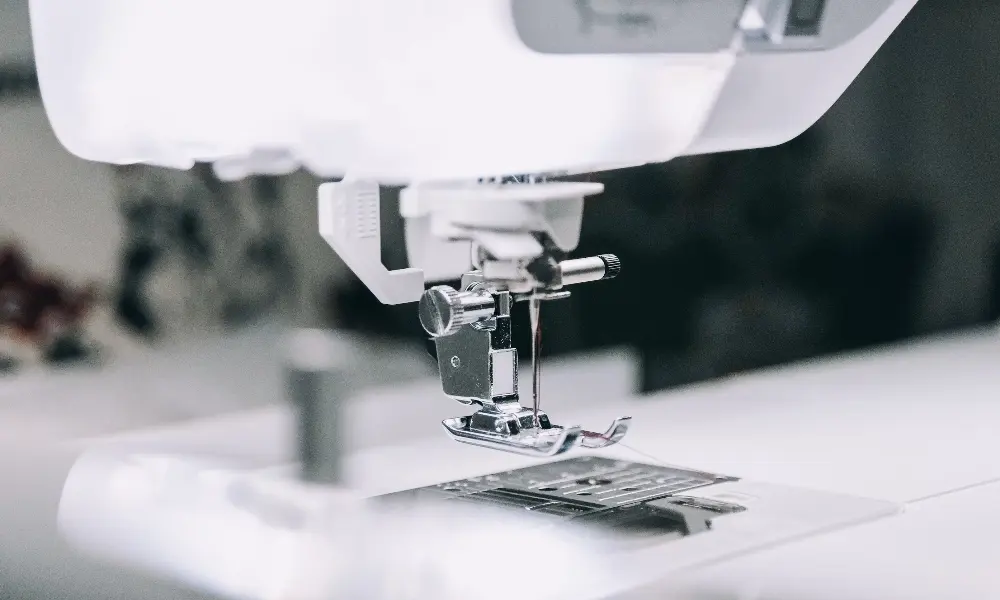
| Main seams | Single needle 本縫いミシン with servo motor | Creates stable seam strength and controlled stitch formation | High sewing speed does not guarantee clean feeding on slippery or lightweight suiting |
| Edge finishing | Blind stitch machine or オーバーロックミシン | Provides clean edges and near-invisible hems where required | Blind stitch equipment does not replace correct hem preparation |
| Reinforcement | Bar tacking machine | Anchors pocket corners, stress points, and belt loops | More bar tacks cannot compensate for a weak base seam |
| Pressing and finishing | Steam boiler, iron, vacuum ironing table, garment press | Sets creases, lapel roll, and final dimensions | Pressing cannot permanently correct an improperly cut or eased panel |
These categories describe function, not a universal machine list. A made-to-measure workshop may use more manual pressing stations, while a volume trouser line may prioritize automatic pocket setting and pressing capacity differently.
Cutting and Fusing Equipment Starts the Suit Structure
The cutting room creates the panel accuracy that later stations must respect. A straight knife cutting machine handles flexible lays well, while a band knife machine is useful for small parts, collars, and curved pieces. The main requirement is not speed alone; it is consistent panel edges and grain direction that allow seams to align without forcing.
Fusing equipment is the next structural gate. A fusing machine bonds interlining to the shell fabric under controlled temperature, pressure, dwell time, and cooling. If the bond is too light, the front panel loses shape. If heat or pressure is excessive, adhesive can strike through and create a stiff or marked surface. The correct setting is therefore a fabric system decision, not a single machine parameter.
Core ミシンs for Suit Assembly
Why the lockstitch machine remains the main workhorse
Most structural seams in a jacket and trouser are built on a single needle lockstitch machine. It forms a secure seam with limited stretch, which suits woven suiting fabrics and helps the panels hold their intended position. A servo motor improves control at corner turns and reduces operator fatigue compared with a clutch motor, especially on lapel points and pocket curves.
Where blind stitch and edge finishing equipment fit
Blind stitch machines handle hems and selected facing edges where the stitch should not be visible on the face side. Edge finishing may also include overlock operations for internal seams, but the choice should follow the seam finish specification and the customer’s quality audit. A blind stitch machine is valuable because it produces a nearly invisible hem, but only when the hem has been folded and prepared consistently.
Why bar tacks matter for durability
A bar tacking machine places dense reinforcement at points that carry repeated stress. Pocket corners, belt loops, side seam ends, and fly openings are typical locations. The bar tack should be specified by stitch count, width, and thread coverage to match the fabric and the end use. A strong main seam plus correct bar tacks is more reliable than adding extra reinforcement after a weak construction choice has already been made.
Pressing and Finishing Equipment Sets the Final Shape
Pressing in suit manufacturing is a shaping process, not simply ironing. Under pressing opens and sets seams during assembly, while final pressing gives the lapel its roll, sets the collar, and stabilizes the finished dimensions. The steam boiler, iron, and vacuum ironing table work as one system. Steam supplies the moisture and energy, the iron controls direction, and the vacuum table cools and dries the panel so the shape holds.

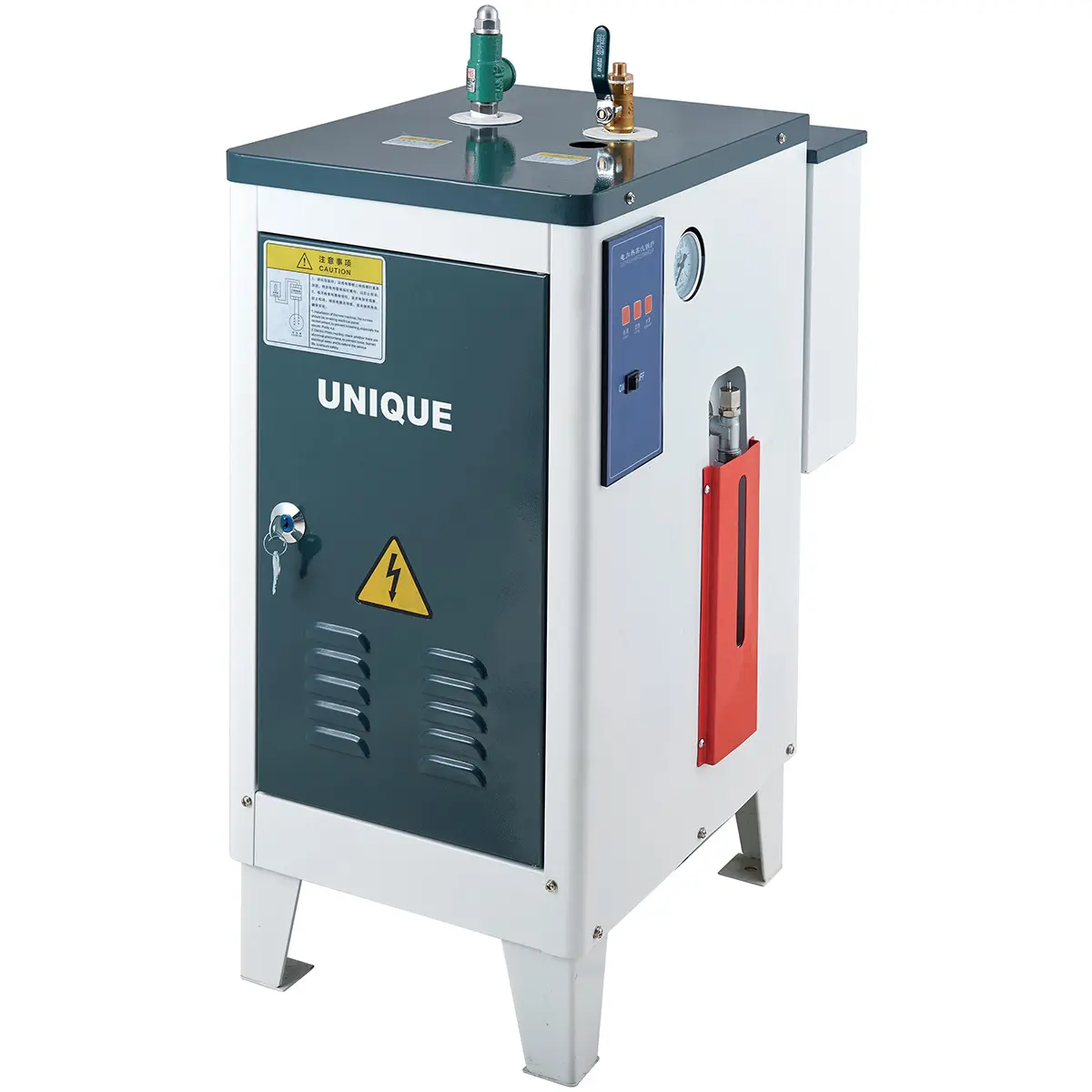
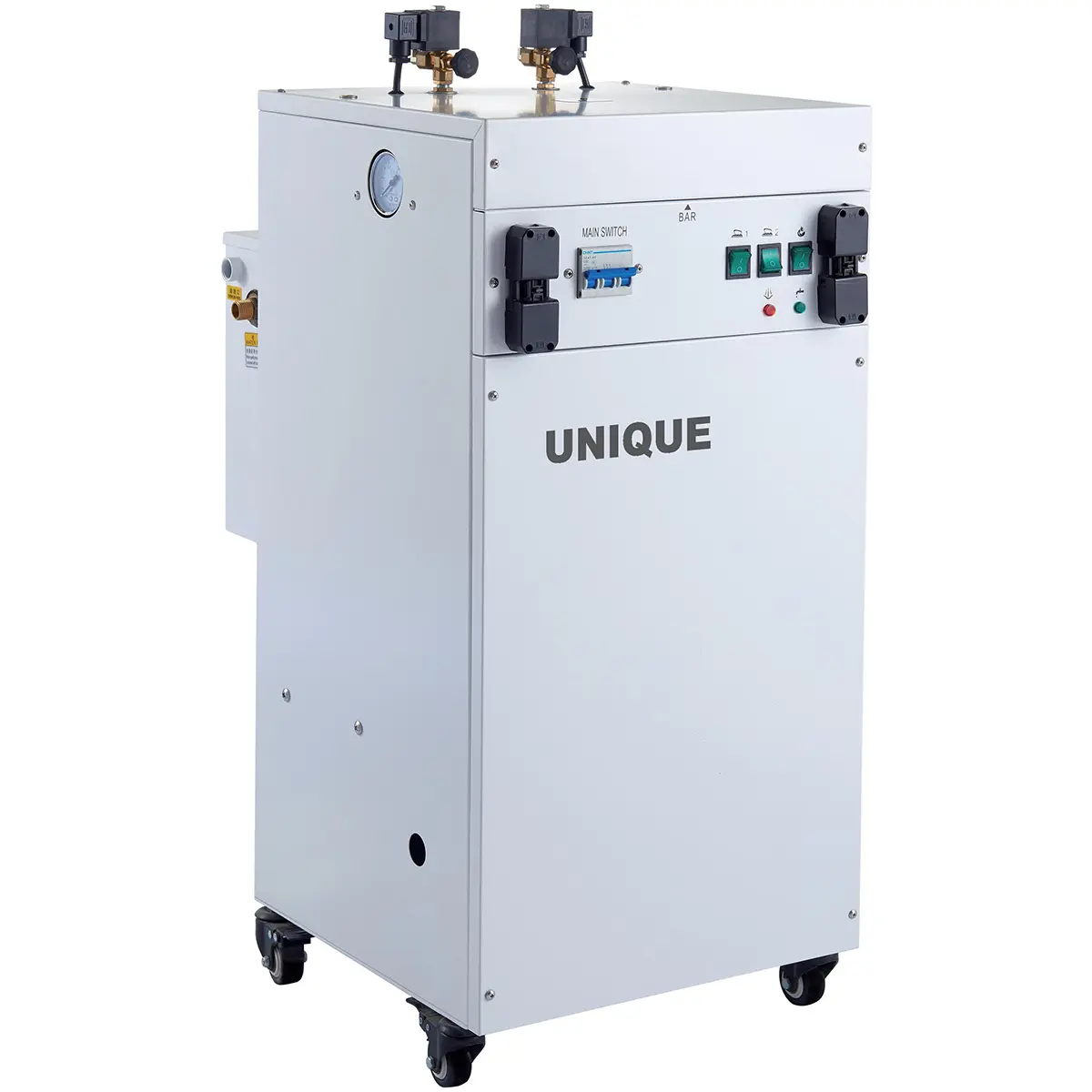
Factories that treat pressing as a low-priority step often find that a well sewn jacket still looks flat or unstable at inspection. The finishing line should therefore be planned with enough vacuum table capacity and steam output for the daily volume.
Suit Line Planning and Automation Considerations
Suit production becomes easier to control when the line follows the actual assembly sequence. Front panels, collar, sleeves, lining, and trousers each have their own preparation path, and the equipment layout should reduce unnecessary handling. Automation does not need to start with the most expensive machine. It usually starts with the station that has the highest manual variation, such as pocket setting, buttonholing, or bar tacking.
A more reliable approach is to review whether the line is being sourced as a coordinated system. Buying machines from many unconnected suppliers can create gaps in voltage, table height, spare parts, and service support. When one supplier coordinates the main equipment groups, the layout and utility requirements are easier to check before installation.
A suit line depends on coordinated cutting, sewing, pressing, and finishing equipment, not just one specialized model. <ワンストップの縫製機器調達プラットフォーム> 調整された機器リストがどのように設置を短縮し、スペアパーツの需要をより予測しやすくするかを説明します。
How to Specify Suit Manufacturing Equipment
A clear specification prevents a supplier from proposing equipment that is technically correct but commercially mismatched to the product range. The following request fields are more useful than a general request for a complete suit line.
| RFQ field | What to specify | なぜそれが重要なのか |
|---|---|---|
| Suit styles and construction | Jacket, trouser, waistcoat; full canvas, half canvas, or fused construction | Changes the fusing, pressing, and sewing station mix |
| Fabric range | Wool, wool blends, stretch suiting, lining types, surface finishes | Affects feed, needle, thread, tension, and pressing settings |
| Target output and shift plan | Daily output, working hours, batch size, peak season changes | Determines machine quantity and automation priority |
| Required operations | Main seams, bartacks, pocket welting, blind hems, fusing, pressing | Prevents missing or unnecessary stations in the proposal |
| Utility supply | Available voltage, steam or electric heating, compressed air | Confirms whether the line can be installed without major upgrades |
| Quality standard | Inspection points, seam classes, alignment and finish requirements | Connects equipment selection to measurable final quality |
Reject this vague request: “Send a complete suit line with all necessary machines.” Replace it with a request that identifies the garment construction, fabric range, required operations, daily output, utility supply, and finishing standard. That level of detail gives the supplier enough information to separate a general line from the equipment the factory actually needs.
Plan Your Suit Line With the Right Equipment
The most useful next step is to turn your product range and quality target into a line specification. Tell us the suit styles and jacket construction, shell and lining fabric range, target daily output, required finishing operations, available steam or electric supply, and your quality inspection standard.
Send these details to Taizhou Unique Machine Technology Co., Ltd. at sales@tzpioneer.com or +86-18069305333, and request a line layout with machine specifications matched to those inputs.
よくある質問
How many machines are needed to start a suit line?
There is no fixed number because the product mix and construction method determine the line. A basic fused jacket and trouser operation usually needs cutting, fusing, single needle lockstitch, blind stitch, bar tacking, buttonhole, and pressing equipment. A more automated line may add pocket welting, pocket setting, and specialized pressing machines. Start from the required operations and output, not from a generic machine count.
Can one machine sew a complete suit jacket?
No single machine can efficiently handle all jacket operations at production quality. The main seams need a lockstitch machine, while blind hems, bar tacks, buttonholes, and loose lining work require different stitch formations and machine forms. A factory can begin with a narrow machine set and outsource certain operations, but a one machine solution is not a realistic suit line.
Which equipment most affects suit appearance?
Cutting, fusing, and pressing usually have the largest visible effect. Accurate panels make seams align without forcing, correct fusing stabilizes the front, and controlled pressing creates lapel roll and final shape. Sewing machines matter for seam strength and consistency, but a beautifully sewn suit can still look poor if fusing or pressing is inconsistent.
Should a small suit workshop buy computerized machines first?
Not automatically. A small workshop often benefits first from a stable cutting table, a properly set fusing machine, reliable lockstitch machines, and an adequate pressing station. Computerized or template machines become more useful when a specific operation, such as pocket setting or buttonholing, has high manual variation and enough daily volume to justify the investment.
ご興味がございましたら、次の関連記事をご覧ください。
Unique Shines At Itcpe Vietnam Texprint 2025 Attracting Crowds And Media Spotlight
美林グループ台州センター台州サプライヤー感謝ディナー