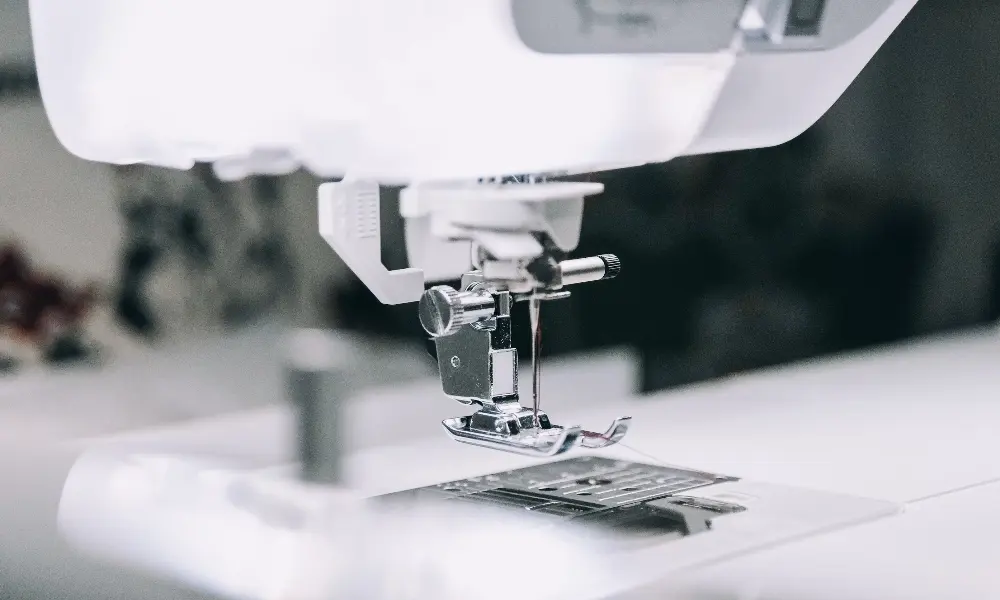
Knit vs woven fabric construction changes more than the stitch you select. It changes needle point shape, thread choice, feed system, presser foot pressure, seam type, edge finishing, and the machines you keep on the floor. A woven fabric locks yarns into a stable grid and resists stretch; a knit forms interlocking loops that can extend, recover, and curl. The same 本縫いミシン may sew both, but the setup that prevents puckering on poplin can stretch and wave a single jersey hem. This guide organizes the machine decisions by fabric behavior so a factory can switch between knit and woven work without turning the line into a trial-and-error operation.
How Woven and Knit Fabric Structure Changes Sewing Behavior
Woven fabrics are made from two yarn systems crossing at right angles, which gives a stable shape, low elongation, and edges that ravel when cut. That stability simplifies handling but concentrates stress at a seam. Because the fabric does not give under the needle, a slightly tight thread can cause puckering, especially on lightweight shirting or lining. Woven work therefore rewards precise matching of needle size, thread diameter, and presser foot pressure, plus a feed system that advances all plies evenly.
Knit fabrics are built from loops that slide against each other. The structure can stretch in length and width, recover when the load is removed, and roll or curl at a raw edge. Under a presser foot, that same movement becomes a distortion risk: a standard drop feed and high foot pressure can push the top ply ahead of the bottom ply, causing side seams to twist, hems to wave, or neckbands to grow. Knit sewing works best when the machine controls fabric movement without blocking the loop structure from relaxing.
The practical difference is not “woven machines” versus “knit machines” as fixed categories. It is which adjustments and attachments dominate the setup.

Needle and Thread Choices That Prevent Damage or Skipped Stitches
Fabric construction decides needle point geometry before stitch length. Woven fabrics generally sew cleanly with a sharp point, sometimes a light ball point for loosely woven or coated materials. The sharp point pushes fibers aside to make a defined penetration hole. Knit fabrics benefit from a ball point or stretch point, which rounds the tip so it slides between loops instead of cutting them. A sharp needle on cotton jersey can break loops and produce small holes that become visible after washing.
Needle size follows fabric weight and thread diameter. The starting point is a smaller needle for fine fabrics and a larger needle for dense or coated work, but the thread must pass freely through the needle eye and long groove without jamming. Polyester or polyester-wrapped cores are common for both fabric groups because they combine strength with controlled elongation. A heavier thread is not automatically stronger in the seam if the needle cannot clear the hole.
| Setup factor | Woven fabric behavior | Knit fabric behavior | What to check before running |
|---|---|---|---|
| Needle point | Sharp point for clean penetration | Ball point or stretch point to avoid cutting loops | Inspect first samples for holes, pulled yarns, or tiny runs |
| Thread tension | Medium to firm to draw the stitch into the fabric | Reduced tension to let the seam stretch | Test a seam stretch and inspect thread recovery |
| Needle size | Match to cloth weight and thread diameter | Match to cloth weight with light contact | Confirm no skipped stitches at corner speed |
| Thread choice | Polyester or polyester-wrapped core is common | Textured or core-spun polyester for seam extension | Check elongation before using stiff thread |
A seam stretch test is more useful than a single dial number. The correct tension and feed setting should let the stitch hold without stretching the cloth permanently.
Feed Systems and Presser Foot Pressure for Stretch Control
Woven panels can be moved with a standard drop feed when the plies are not thick or slippery. The feed dog grips the bottom ply while the presser foot holds the material against the feed stroke. With coated wovens, vinyl, or heavily finished fabrics, a walking foot or compound feed reduces ply shift because the top and bottom layers are moved together. Needle feed or unison feed helps on long straight seams where even a small creep becomes visible.
Knit fabrics often need more than a standard drop feed because the loop structure stretches under the presser foot. A differential feed machine changes the ratio between the front and rear feeds, so an overlock or coverstitch can stretch or gather the fabric slightly while it is sewn. That adjustment is what keeps a hem from waving and stops a rib neckband from becoming too long. The critical setup is not only the stitch length; it is the relationship between the two feeds.
Presser foot pressure should be just enough to keep the plies moving together. On knits, high pressure flattens the fabric and encourages stretching; on wovens, high pressure can mark coated surfaces and cause the feed to slip. Adjustable pressure, a roller foot, or a Teflon-coated foot are useful when switching between slick wovens and delicate knits.
Stitch and Seam Selection That Holds Each Fabric
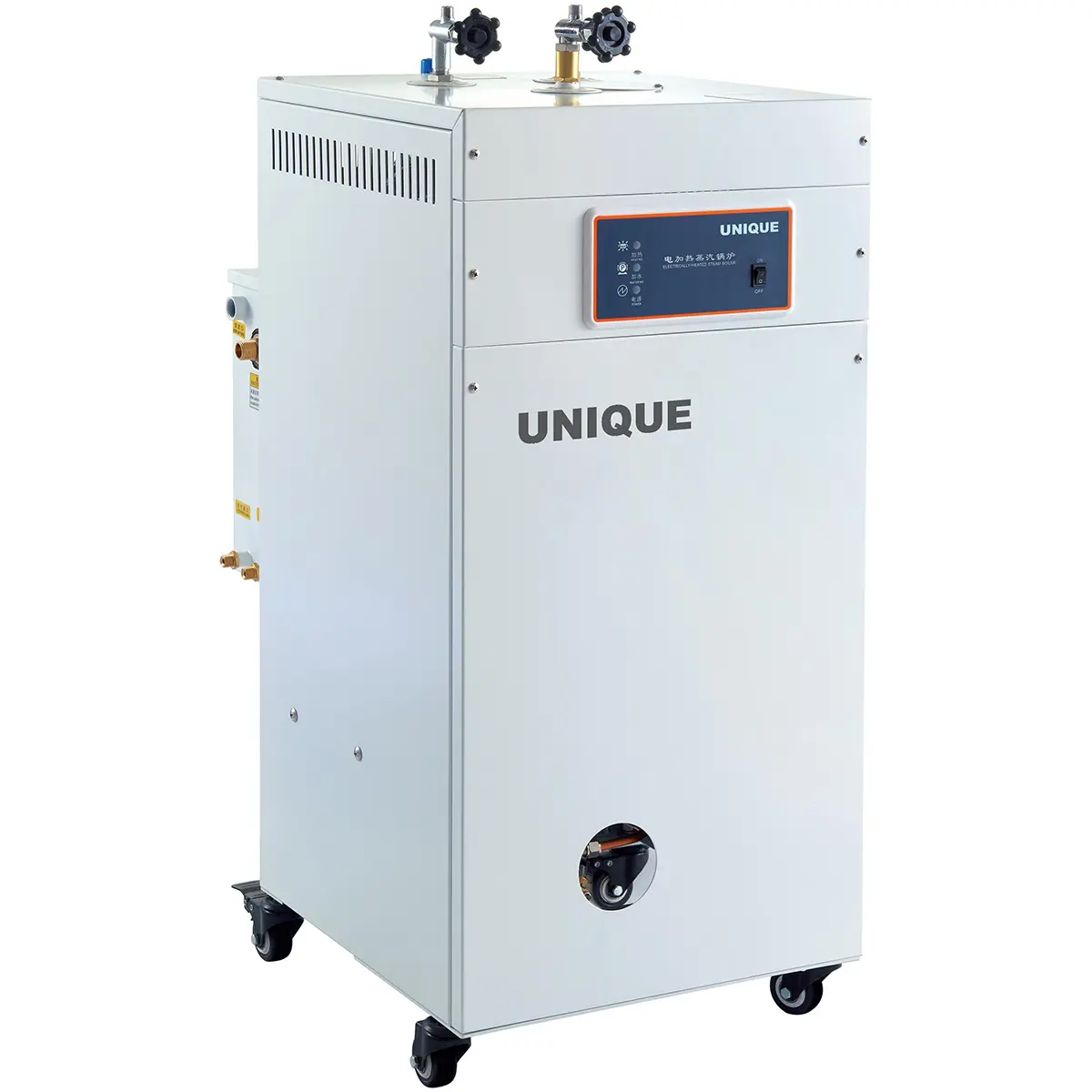
A lockstitch is stable but has limited elongation along the seam, which works well for woven shirts, trouser pockets, topstitching, and structured panels. When the fabric itself does not stretch, the seam does not need much extension. Chainstitch, overedge, and coverstitch constructions can extend with the fabric because their loop structure gives the thread room to move. That is why knitwear lines run overlock and coverstitch machines for construction and hemming rather than trying to make every seam a lockstitch.
A woven shirt side seam can be sewn with a lockstitch and then overlocked or bound to control the raw edge. A knit side seam is more likely to be formed on an overlock machine, which trims and overedges in one pass, or a coverstitch machine when the seam also needs top and bottom cover threads. The seam type should match both the stress direction and the edge condition.
| Seam purpose | Woven fabric usual choice | Knit fabric usual choice | Main failure to prevent |
|---|---|---|---|
| Main construction seam | Lockstitch or chainstitch | Overlock or coverstitch | Seam cracking in knits |
| Topstitched detail | Lockstitch or chainstitch | Coverstitch or twin needle | Wavy stitching on stretch |
| Raw edge finishing | Overlock, binding, or turned hem | Overlock or coverstitch | Curled edges and skipped stitches |
| Waistband or neckband join | Felled or bound seam | Overlock plus coverstitch | Neckband overstretched |
The table is a starting map, not a permanent rule for every style. The final choice is confirmed on a sample seam with the actual fabric, thread, and finish.
Seam Finishing and Edge Control for Knits and Wovens
Woven edges are controlled by enclosing the raw yarns. Serging, pinking, binding, or a turned hem prevents raveling and gives the garment a clean inside. The edge finish can be added after the main seam, and many woven lines use a separate オーバーロックミシン or binder attachment. A seam allowance that is not enclosed will fray in washing and can shorten garment life.
Knit edges usually curl rather than ravel, so the goal shifts from enclosure to stabilization and flatness. Overlock and coverstitch machines hold the edge while trimming or covering it, and differential feed can keep the fabric from stretching into a wave. A coverstitch hem creates visible parallel needle rows on the face and a looped underside that stretches with the garment. For activewear, a flatlock or coverstitch may be preferred because the seam sits flatter against the skin.
Cutting and Handling Differences Before Sewing
Machine setup includes what happens before the needle enters the fabric. Woven fabric is cut on grain lines and handled as a dimensionally stable sheet, so the layout and spreading tension determine how accurately the pieces match at the seam. A slight skew in spreading may not be visible until the side seam twists or the plaid no longer matches.
Knitted fabric needs relaxation before cutting. When a knit roll is stretched during spreading or cutting, the cut pieces can be longer or narrower than the approved pattern, and the garment may fit poorly or shrink after the first wash. Relaxing the fabric for the recommended time, spreading without pulling, and checking the course alignment protect the ミシン from being blamed for a problem that was created on the cutting table.
Deciding which operation belongs to a sewing, embroidery, or cutting machine is part of the same setup question. <縫製刺繍カッティングマシンの主な違い> covers how these machine categories divide 製品ion tasks.
Line Planning for Mixed Knit and Woven Production
A mixed line should start from the seam and edge requirements, then allocate machines to operations that repeat across styles. Woven production often centers on lockstitch machines with enough edge finishing capacity, while knit production leans on overlock and coverstitch machines with differential feed. A factory that only runs wovens may not need a dedicated coverstitch line; a knit-focused factory may still need a lockstitch for pockets, labels, and topstitching.
It is useful to list the critical stitch classes, the edge finishes, and the highest-risk seams before buying or rebalancing a line. For each planned style, record the fabric construction, weight, intended seam stretch, and finishing requirement. Then compare that checklist with the available feed systems, needle types, attachments, and machine bed shapes. This keeps machine selection tied to a specific product rather than a general product category.
Machine selection for mixed knit and woven work is easier when the whole equipment list is planned together, from cutting through finishing. <ワンストップの縫製機器調達プラットフォーム> 調整された機器リストがどのように設置を短縮し、スペアパーツの需要をより予測しやすくするかを説明します。
Plan Your Knit and Woven Machine Setup
The best machine setup is one you can audit before bulk starts. Send the fabric constructions you are running, a few sewn reference samples if available, and the seams that have failed or slowed the line. We can help match needle points, feed types, overlock and coverstitch configurations, and a one-stop equipment list to the products you actually make.
Contact UNIQUE (Taizhou Unique Machine Technology Co., Ltd.) at sales@tzpioneer.com or +86-18069305333.
FAQ
Do knit and woven fabrics require completely different sewing machines?
Not completely. Many lockstitch machines can sew both with the correct needle, thread, and pressure. The larger difference appears in construction and edge finishing: knit lines usually need overlock and coverstitch machines with differential feed, while woven lines can use lockstitch plus edge finishing.
Why do seams pucker on woven fabric but wave on knits?
Woven puckering usually comes from seam threads that are too tight or too thick for a fabric that cannot shrink into the stitch. Knit waviness usually comes from the fabric being stretched during sewing, often by high presser foot pressure or unbalanced feed. The fixes address different parts of the machine.
Which needle point should I use when switching between knit and woven?
Use a sharp point for most wovens and a ball point or stretch point for most knits. The ball point slides between loops instead of cutting them, reducing holes and runs in jersey and rib fabrics. Sample before bulk because coated wovens and dense knits can shift the best choice.
Does a walking foot remove the need for an overlock machine on knits?
No. A walking foot or compound feed helps move the plies evenly, but it does not create the overedge or coverstitch construction that lets a knit seam stretch and controls the cut edge. Knit side seams still generally need an overlock or coverstitch machine.
How can a mixed factory reduce setup time between knit and woven styles?
Document a setup card for each fabric group: needle point and size, thread, feed type, presser foot pressure, stitch class, and edge finish. Keep dedicated feet and attachments close to the machine, and run samples before the first bulk bundle. This prevents many mid-line adjustments.
ご興味がございましたら、次の関連記事をご覧ください。
20 日間でヨーロッパ 8 か国を巡る時間との競争
Unique Teams May Visit To Egypt Technical Excellence And Market Confidence