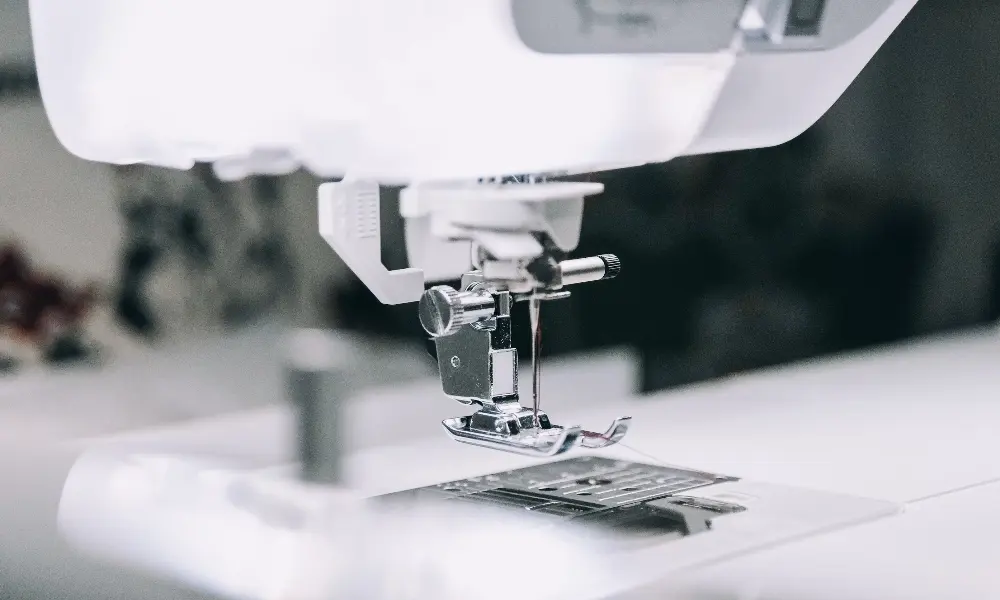
A belt loop looks like a small detail, but on a five-pocket jean it is one of the most stressed components. Every time the wearer threads a belt or pulls at the waistband, the loop takes load in torsion and tension. A badly shaped or wrongly attached loop twists, frays, or tears out during washing and wear, and that single defect can downgrade an otherwise well-made garment. This guide covers belt loop shaping and attachment for denim, from strip preparation and stitch specification to machine selection and quality checks.
Why Belt Loop Construction Deserves Attention
Belt loops are cut as narrow strips of shell fabric, usually from the same denim as the garment so the shade matches after washing. In most five-pocket jeans, the strip is folded with raw edges turned inward and the finished loop measures roughly 10–12 mm wide, although the exact width varies by brand and design [1].
A belt loop sits in the waistband seam area, so its attachment overlaps several layers: shell fabric, waistband, interlining or lining, and often the top stitching. If the machine set-up, presser foot, or folder is not matched to that thickness, the result is skipped stitches, broken needles, or a loop that shifts under the bar tack. In factory audits and line reviews, the belt loop station is where I most often see a gap between the approved sample and the bulk run. Getting the shaping right before the loop reaches the machine is what separates stable, repeatable work from constant rework.
Belt Loop Shaping: Cut, Fold, and Set the Crease
Shaping follows three stages: cutting, folding, and pressing.
Cutting. Strips are normally cut along the warp grain so the loop does not stretch during handling. For denim, the strip width is calculated from the finished width plus fold allowances. The exact allowance depends on the folder and the number of folds used.
Folding. The strip can be folded by hand with an iron, with a hemmer or folder attachment on a machine, or by an automatic belt-loop making unit that feeds, folds, and measures in one cycle. A three-fold construction, with both raw edges turned to the back center, is common because it gives a clean edge and enough body for a strong bar tack.
Pressing. After folding, the crease must be set so the loop holds its shape through attachment. A short steam press or a heated folder keeps the edges flat without glazing the denim.
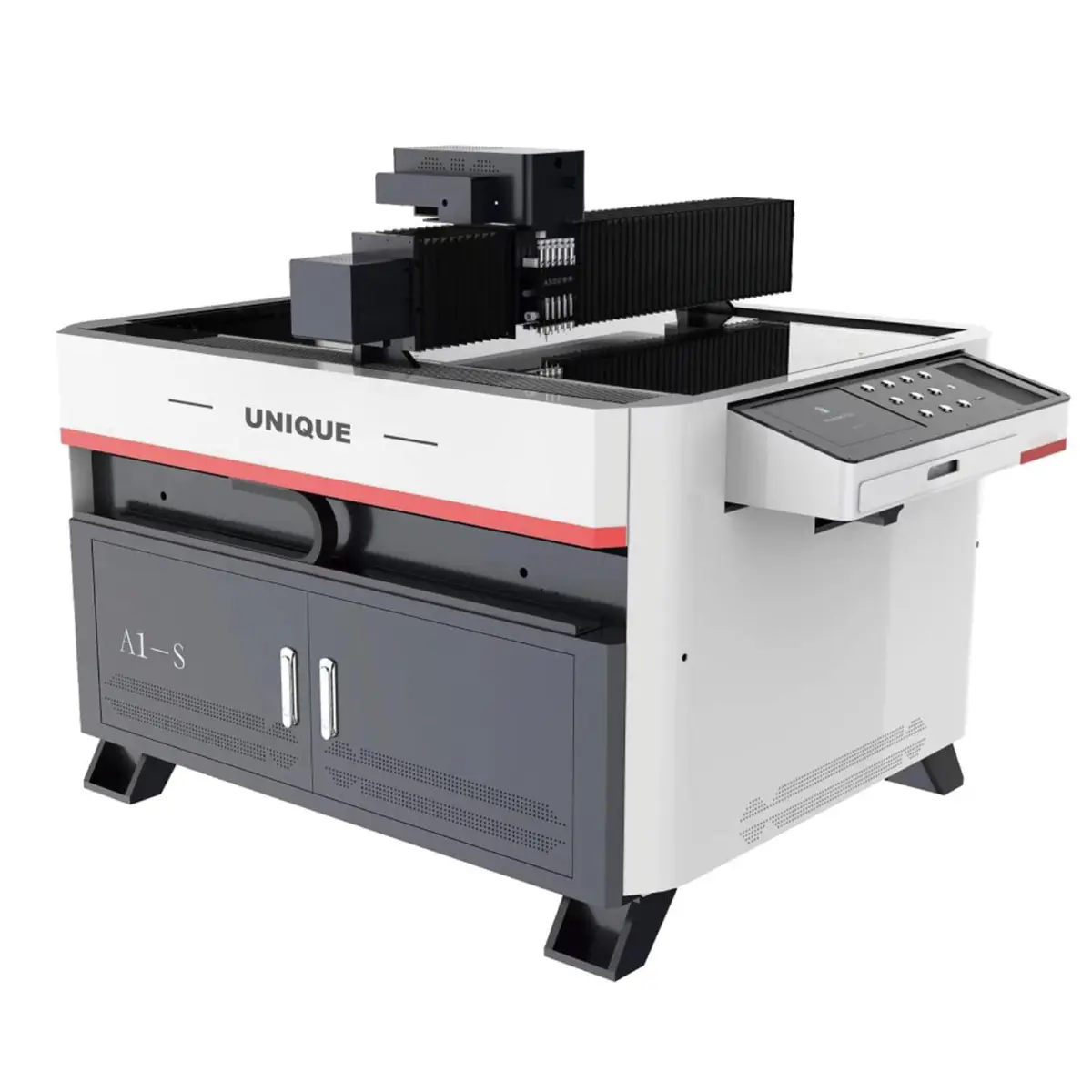
Steam pressing at this stage is not cosmetic. If the fold opens during attachment, the operator has to re-align the loop by hand, which slows the cycle and increases twist defects. A stable crease lets the folder or operator place the loop in one motion.
Attachment Sequence and Stitch Specification
The standard sequence on a five-pocket jean is mark, position, attach, and tack.
- The waistband is marked, or the operator uses a jig, so loop positions match the brand spec. Five to seven loops per garment is typical, depending on design.
- The loop is placed with the folded ends tucked under the waistband edge or left raw to be covered by the bar tack, according to the tech pack.
- The loop is secured, usually with a lockstitch, stitch class 301, at the top and bottom [2], then finished with a bar tack at each end.
- The bar tack anchors the loop ends to the waistband seam and is the primary strength point. It is a close-set series of stitches, commonly a lockstitch or zigzag group, specified for width, length, and stitch density [3].
Specification matters because the bar tack carries a large share of the pull-out force, not just the folded strip. A short, loose bar tack provides less resistance than a correctly specified tack covering the full loop width. Brands therefore include loop width, position tolerance, bar tack length, and stitch count in the tech pack, and auditors check them against a sealed sample [3].
For stretch denim, many lines keep the loop itself stable rather than stretchy, because a loop that stretches with the waistband tends to curl under belt tension. The lockstitch remains the workhorse here; in special cases a chainstitch or coverstitch attachment is used where elasticity or a decorative effect is required [2].
Machine Options for Shaping and Attachment
Three machine configurations cover most denim lines.
Manual folder and lockstitch machine. The operator folds and presses loops in a separate step, then attaches them with a single-needle lockstitch and a bar tacking machine. This route is flexible and economical to enter, but it carries the highest labor content per loop.
Semi-automatic belt-loop machine. A folder-guided or template-based unit shapes and attaches the loop with reduced handling. The operator still positions the garment, but the machine controls the fold and stitch placement. Typical payback comes from lower rework and more consistent loop width rather than from raw speed alone [1].
Automatic belt-loop setting and bar tacking. For high-volume five-pocket lines, dedicated jeans machines combined with a bar tacking machine take shaping and attachment near-continuous. These systems suit lines where loop volume and style repeatability justify the investment.
The right choice usually depends on three numbers from the 製品ion plan: daily garment output, loop count per garment, and available skilled operators. If you are specifying a new line, contact the engineering team at sales@tzpioneer.com or +86-18069305333 with your fabric weight, finished loop width, and daily target. A direct inquiry with those details gets a machine recommendation much faster than a general price request.
Defects, Quality Checks, and Workstation Planning
The recurring belt-loop defects are twisted strip, uneven width, off-position placement, skipped bar tacks, shade mismatch, and puckering where the loop joins the waistband seam. Each has a different cause: twist starts in folding, uneven width starts in cutting or folder set-up, skipped tacks come from needle or tension problems, and puckering usually comes from feed or presser-foot mismatch on thick seam crossings [4].
In-process checks should happen at two points: after shaping to catch width, twist, and crease problems, and after attachment to check position, tack length, and pull force. End-line inspection should add a pull test on a sample basis, because a loop that looks correct on the surface can still be weak at the bar tack.
Workstation planning reduces the hidden cost of belt loops. Keep shaped loops in small batches rather than one large pile, because narrow denim strips tangle and crease. Place the iron or steam press beside the shaping station, and set folder guides to the cut width before the shift starts.
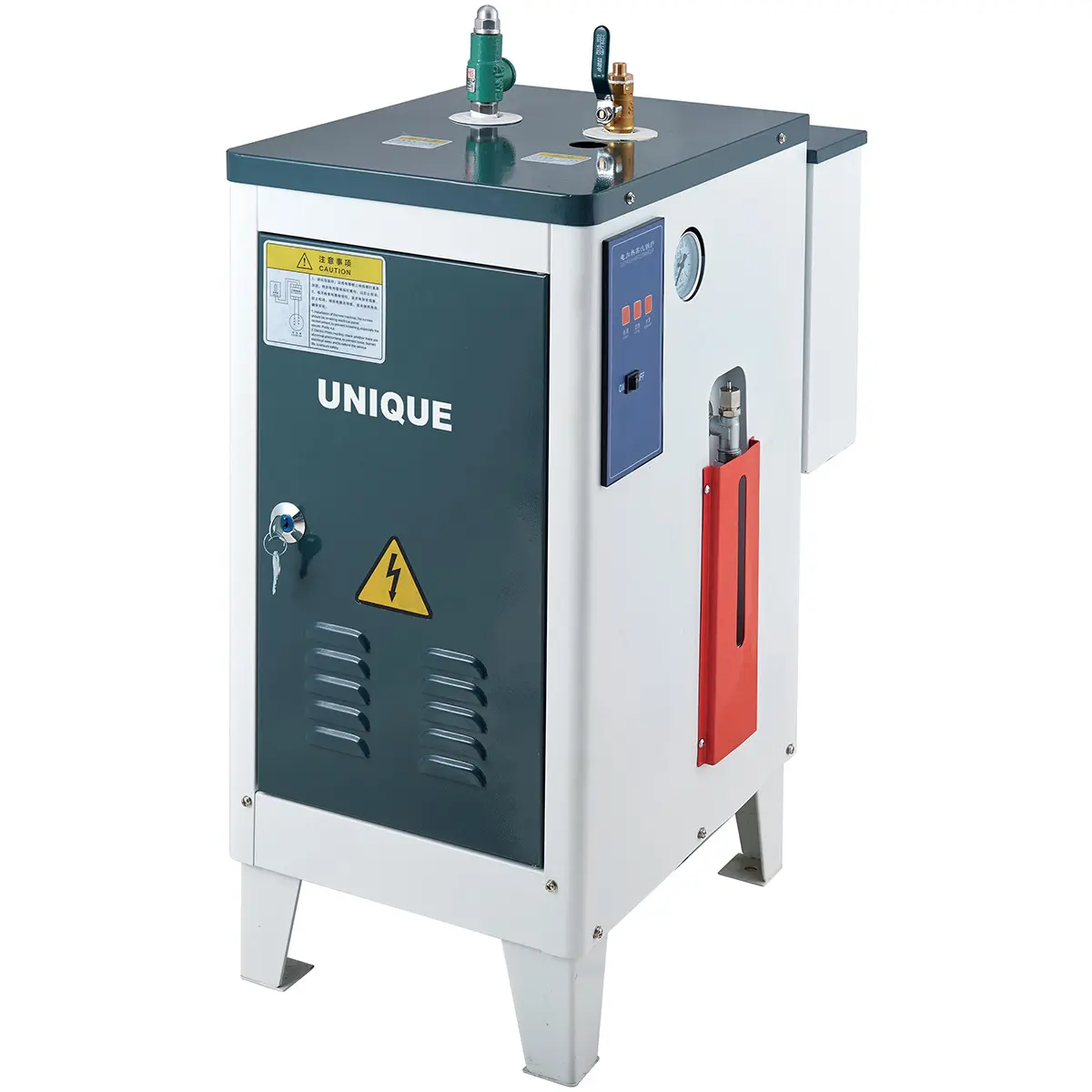
A clean pressing station with the right steam output keeps the crease sharp without wetting the loop, which matters when the same batch will be bar tacked immediately afterward.
Choosing Equipment for a Complete Denim Line
Belt loop equipment should be selected with the rest of the line in mind, not as an isolated purchase. The same single-needle lockstitch used for waistband operations can often run loop attachment, and the same bar tacking machine can cover pocket stress points, fly stops, and loop ends. Choosing machines that share needle systems, bobbins, and spare parts keeps the maintenance stock smaller and operator training faster.
Compressed air, steam, and power are also shared resources.
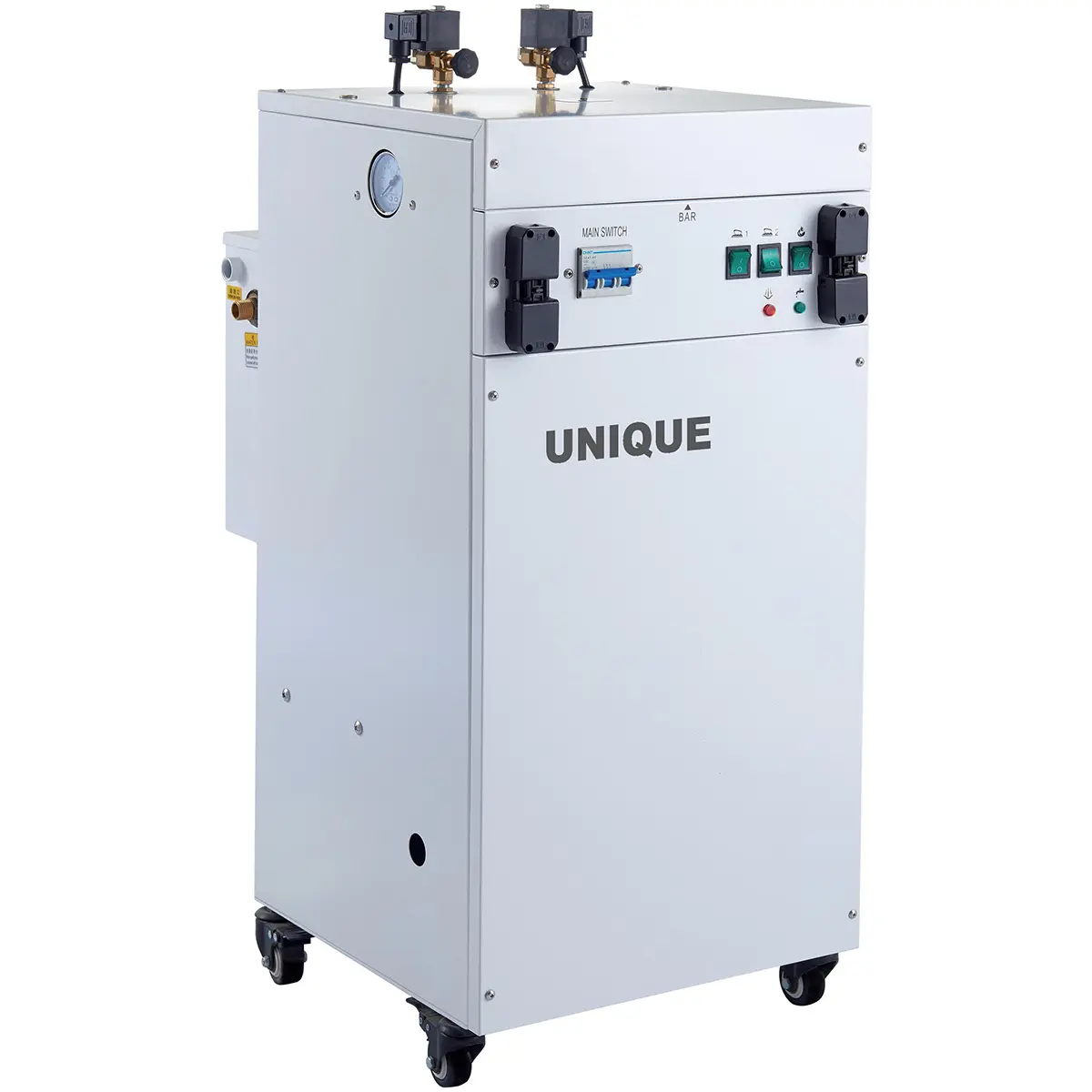
A steam boiler sized for the finishing section can also feed the folding and pressing steps, so the loop-shaping station does not need a separate heat source.
Denim production spreads across cutting, sewing, and finishing equipment, and belt loops sit in the middle of that flow. <ワンストップの縫製機器調達プラットフォーム> covers how a full-range supplier shortens sourcing and service lead times when a factory is buying machines across multiple operations.
Choosing the right machine class for each operation is the first decision on any new denim line. <縫製刺繍カッティングマシンの主な違い> covers how sewing, embroidery, and cutting machines differ and where each belongs in a garment workflow.
Specify Your Belt Loop Line
To get a belt loop shaping and attachment setup matched to your product, prepare the following before you contact us:
- Fabric type and weight: rigid denim, stretch denim, or twill
- Finished loop width and fold construction
- Loop count per garment and daily output
- Garment type: five-pocket jean, trouser, skirt, or workwear
- Country voltage and frequency
- Whether shaping, attaching, and bar tacking should be separate or combined
Send the details to sales@tzpioneer.com or call/WhatsApp +86-18069305333. The team can recommend a manual, semi-automatic, or automatic configuration with the supporting folder attachments, needle systems, and spare parts list for your volume.
Frequently Asked Questions
What is the standard belt loop width for jeans?
Most five-pocket jeans use a finished loop width between about 10 and 12 mm, but the brand tech pack is the final authority. Width is set before cutting to match the folder used.
How many bar tacks does a belt loop need?
A standard loop has a bar tack at each end securing it to the waistband, and some designs add a center tack through the waistband seam. The count follows the tech pack and the quality audit specification [3].
Can one machine shape and attach belt loops automatically?
Yes. Automatic belt-loop making and setting units fold, press, and attach in sequence, while separate bar tacking finishes the ends. Semi-automatic folder-guided machines are a middle-cost option.
What causes belt loop twist after washing?
Twist usually begins in shaping when the strip is cut off-grain or the fold is not pressed flat before attachment. A stable crease and on-grain cutting reduce it.
Do stretch jeans need stretch belt loops?
Not necessarily. Many lines keep the loop stable to resist curling under belt tension. Stretch loops are used mainly when the design requires the loop to follow waistband recovery.
参考文献
[1] H. Carr and J. Latham, The Technology of Clothing Manufacture, 4th ed., Blackwell Publishing, Oxford, 2008.
[2] ISO 4915:1991, Textiles — Stitch types — Classification and terminology, International Organization for Standardization, Geneva, 1991.
[3] ASTM D6193-16, Standard Practice for Stitches and Seams, ASTM International, West Conshohocken, PA, 2016.
[4] ISO 4916:1991, Textiles — Seam types — Classification and terminology, International Organization for Standardization, Geneva, 1991.
ご興味がございましたら、次の関連記事をご覧ください。
美林グループ台州センター台州サプライヤー感謝ディナー
ユニークでエキンシ・マキナ、イラク市場でのパートナーシップを再確認
カイロからのライブ Egy Stitch Tex 2025 でユニークな輝きを放つ
テクノロジーがファッションに力を与える Nicerbt Unique が HM サプライヤー テック サミットに出席 衣料品サプライ チェーンのインテリジェントなアップグレードを支援
Unique Shines At Itcpe Vietnam Texprint 2025 Attracting Crowds And Media Spotlight