A garment iron pressing and finishing line is the set of stations that gives sewn garments their final shape, smoothness, and inspection readiness. The line usually combines steam generation, pressing or forming equipment, vacuum-assisted work surfaces, and end-of-line checking. The right line depends less on brand names and more on garment categories, daily finishing volume, available utilities, and the level of shape control each prodotto needs. This article explains the main equipment choices, how they work together, and the specification points that prevent a pressing room from becoming a bottleneck.
Match the Pressing Method to the Garment Type
Pressing and finishing equipment is not a single machine. Woven shirts need flat seam finishing around the collar, placket, cuffs, and front panels. Suits and jackets need shaped pressing around the chest, lapel, sleeve head, and shoulder area. Knitwear needs gentle steam and low mechanical pressure so the fabric does not stretch or develop shine. Denim and casual trousers need crease setting and enough pressure to flatten seams without creating impressions on the pocket edges.
The first practical step is to list the garment categories the line will finish. That list determines whether the investment should go toward general-purpose vacuum ironing tables, shaped form finishers, dedicated shirt or trouser presses, or a combination of all of them.
| Garment type | Common finishing equipment | Main process concern |
|---|---|---|
| Woven shirts | Vacuum table, steam iron, collar and cuff press | Crisp collar and placket without double creases |
| Suits and jackets | Form finisher, trouser topper, seam-opening station | Shape retention around lapel and chest |
| Knitwear and polo shirts | Steam finishing table with reduced pressure | Avoid stretching and surface shine |
| Denim and casual trousers | Trouser leg press, steam iron, vacuum table | Permanent creases and flat pocket areas |
| Lightweight or delicate fabrics | Lower-temperature electric or generator iron | Prevent heat damage and over-pressing |
This table is a starting point. A factory making both formal shirts and soft knitwear will normally need two different pressing approaches rather than one universal station. Trying to use the same high-pressure steam head on both products can solve the flatness problem while creating a new quality problem.
Steam Boiler or Generator Iron: Start with the Utility
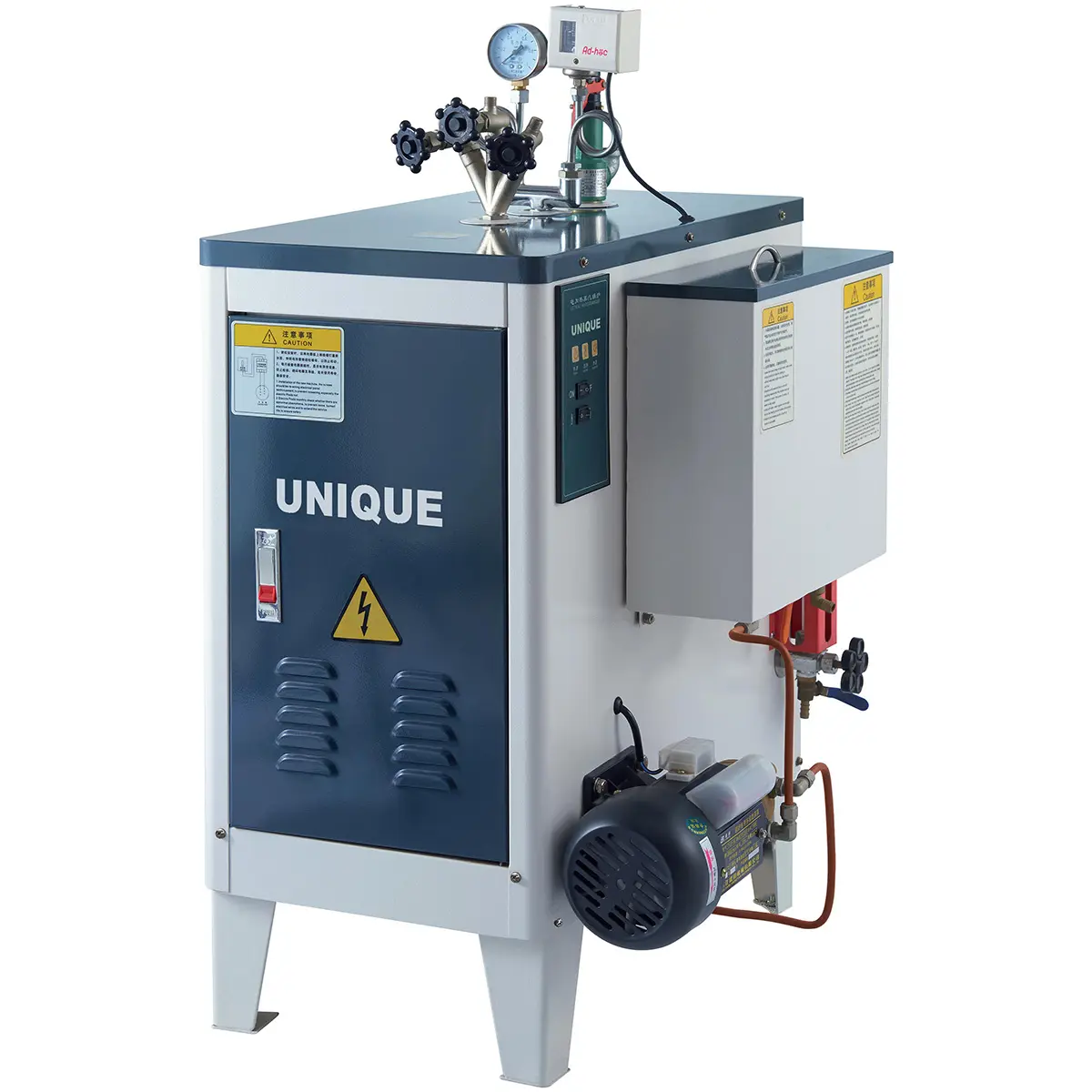
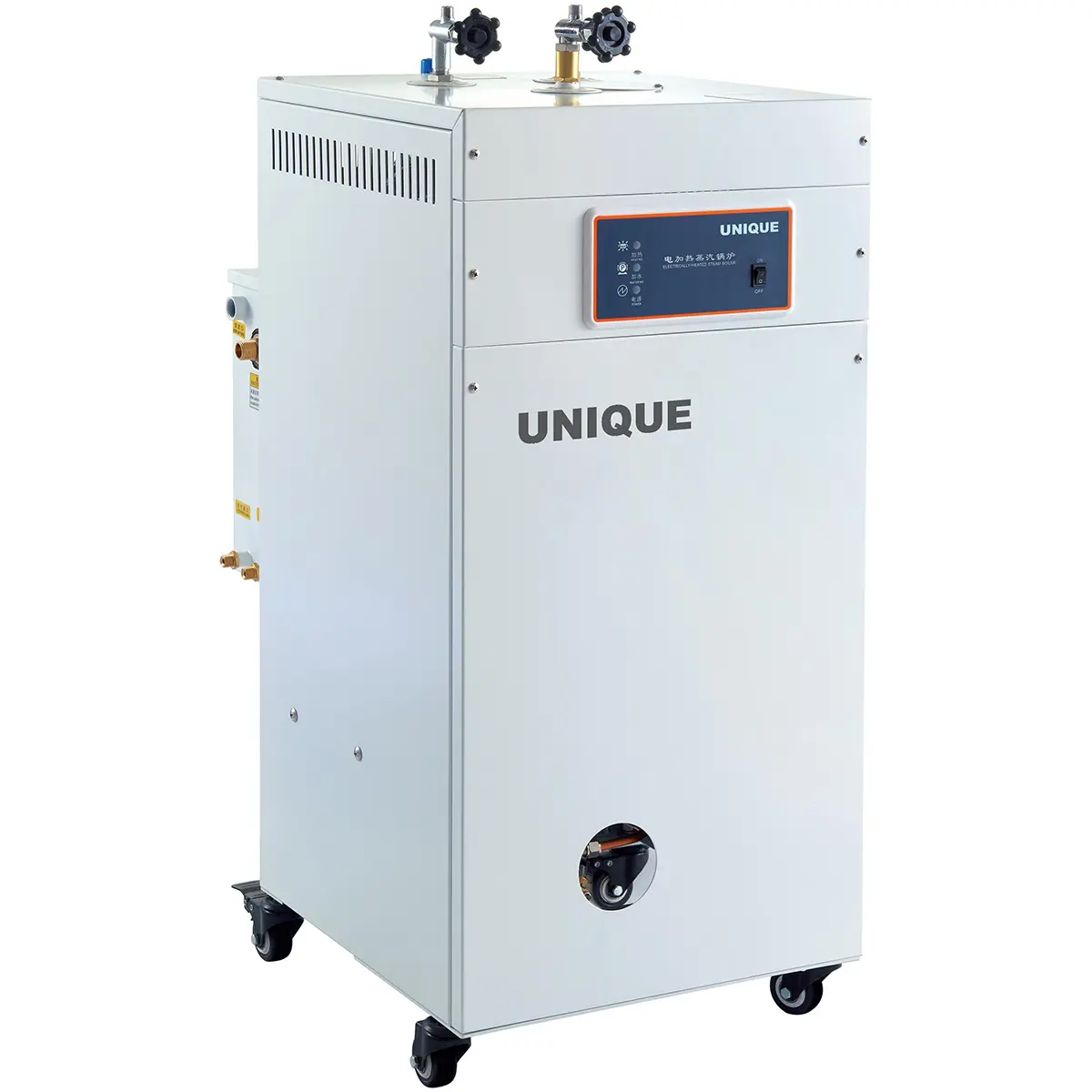
The pressing effect comes from heat, moisture, and controlled pressure. The steam source is therefore the first utility decision. A central steam boiler feeds multiple stations through insulated piping and gives stable pressure across long production runs. A generator iron combines the water heating and iron function in one unit, which can be easier to install in a small room or a line with only one or two pressing operators.
The choice should follow the peak simultaneous load, not the average output. If three vacuum tables and one form finisher may release steam at the same time, the boiler or generator capacity must support that combined demand. Condensate drainage and water quality also matter because wet steam or scale in the pipes causes temperature variation at the iron surface.
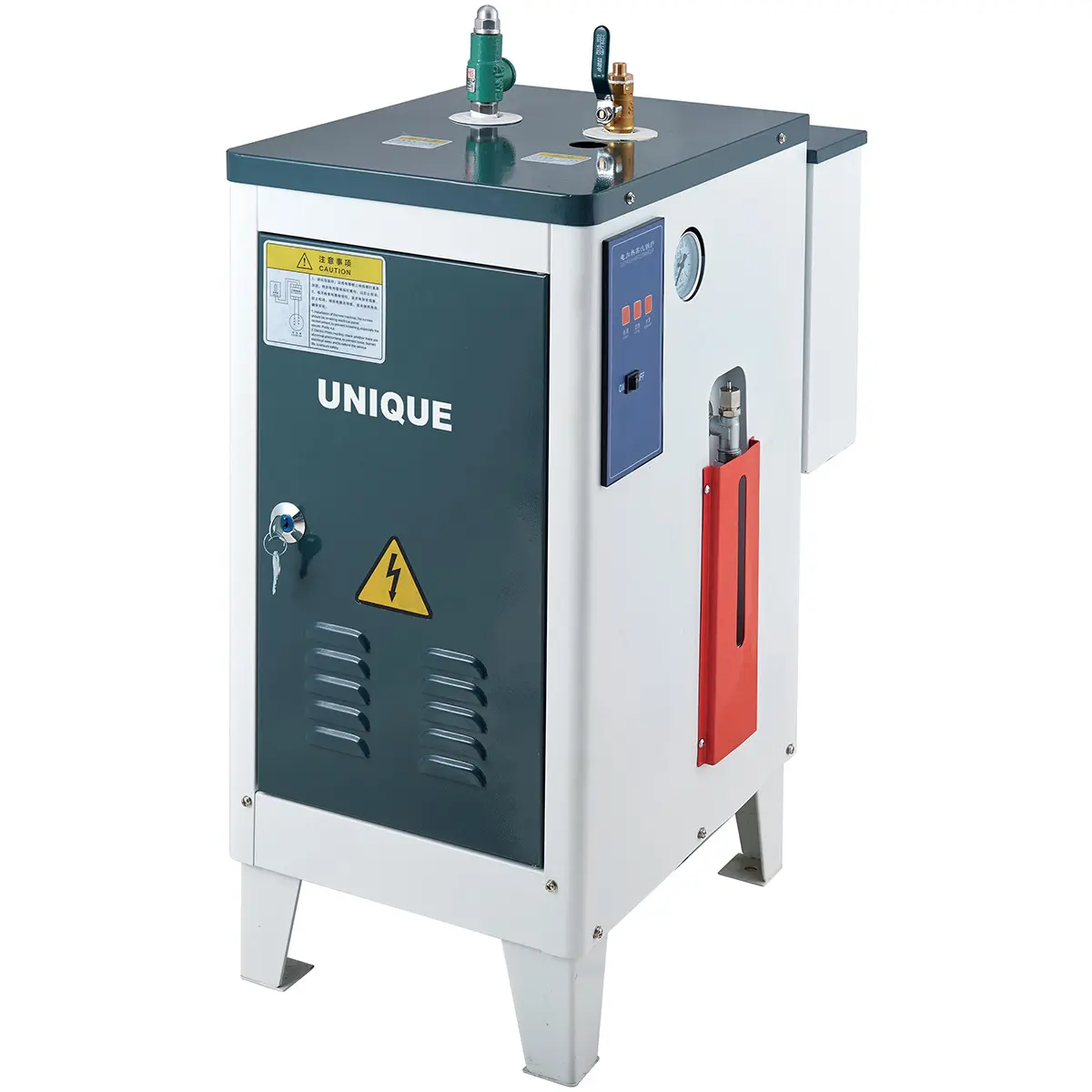
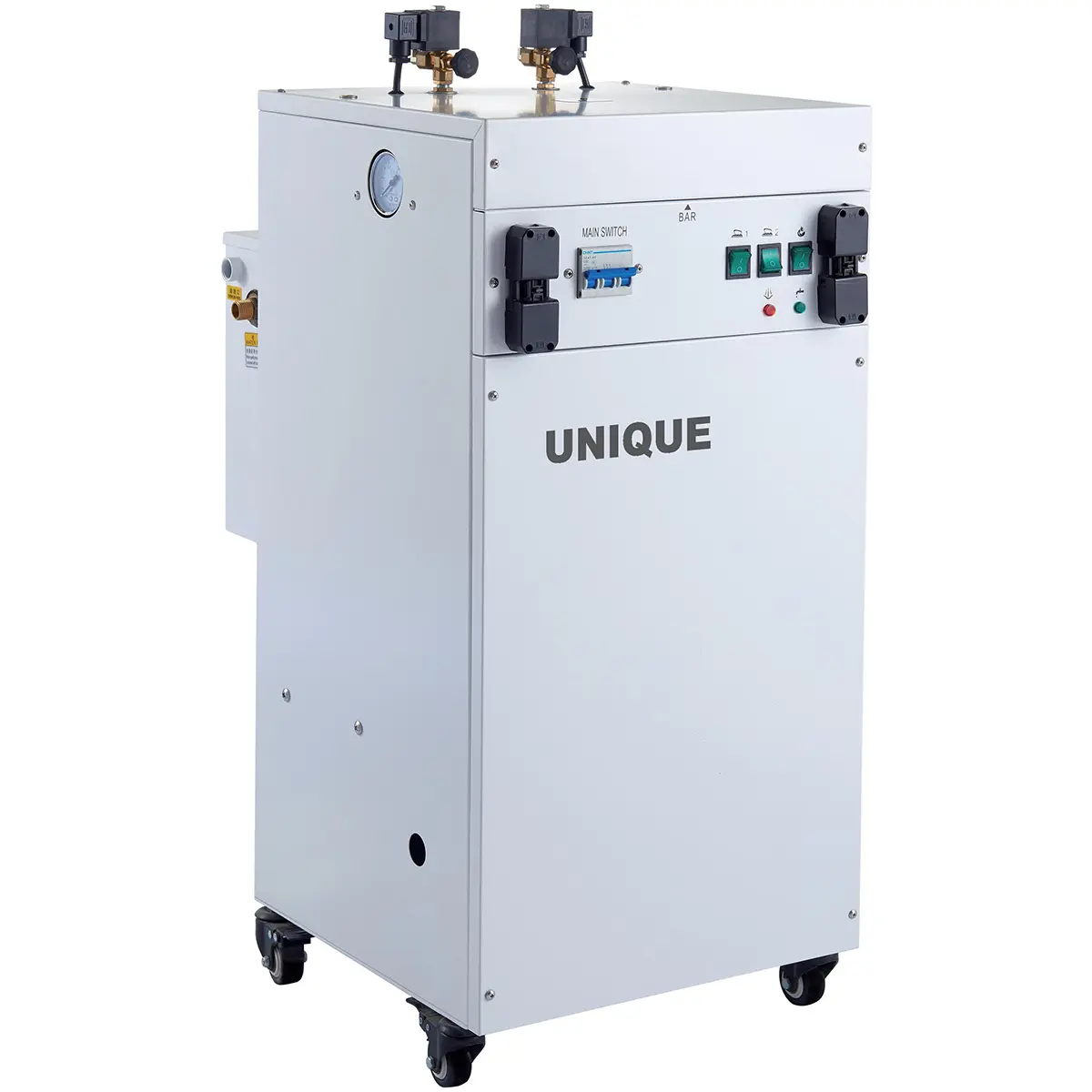
A pressing station that has weak vacuum will cool the fabric too slowly and leave moisture in the seam. At the same time, an oversized steam supply without enough vacuum extraction creates humidity, long handling time, and an uncomfortable work environment. The steam generator, vacuum table, compressed air supply, and condensate return should therefore be specified as one connected system.
For a small shop or a sample room, a generator iron is often easier to operate and maintain. For a production line with repeated heavy use, a central boiler usually gives more consistent pressure and keeps maintenance away from the sewing floor.

Pressing and Forming Equipment That Shapes the Finished Garment
After the steam source, the workstations determine how precise the finish can be. The central tool in many lines is the vacuum ironing table. It holds the garment in place during pressing, pulls steam and moisture through the fabric, and cools the surface so the shape sets quickly. Tables with blowing and vacuum functions are useful for delicate fabrics because they allow the operator to reposition the fabric without lifting and shifting the garment repeatedly.
Form finishers and shirt presses reduce operator dependence by using shaped bucks or heated pressing surfaces. They are most effective when the line produces many garments of the same size range and style family. The cycle creates repeatability, but the garment still needs correct loading by the operator. If the piece is placed off-center or with twisted seams, the machine will simply press the distortion into the garment.
| Equipment | Main function | Key specification checks |
|---|---|---|
| Steam boiler or generator | Supply stable heat and moisture | Steam output, pressure stability, water feed, safety valve |
| Vacuum ironing table | Hold, shape, and cool the garment | Table size, vacuum and blowing power, arm reach |
| Form finisher | Press jacket, top, or shirt body on a shaped buck | Body size range, cycle control, compressed air supply |
| Collar and cuff press | Finish small flat components | Plate shape, temperature control, pressure adjustment |
| Needle detector or final inspection table | Catch metal and check final appearance | Detection setting, calibration, work surface design |
This equipment works best when operators can reach the loading point without walking, bending, or waiting for the next garment. Ergonomics is not only about comfort. If loading is awkward, the operator will rush the placement, and the finish quality will vary from one shift to another.
Layout and Workflow for a Finishing Line
The finishing room should be laid out as a controlled flow path rather than as a group of isolated ironing tables. Pressed garments should move from steam finishing to inspection without passing back through the sewing area or crossing the flow of unfinished pieces. That separation reduces re-soiling, accidental creasing, and mixed batches.
Workstations should follow the actual sequence of the garment. For a shirt line, the operator may move from collar and cuff pressing to body pressing, then to button inspection and folding. For a suit jacket, the path may run from seam opening to form finishing, then to final inspection and hanging. The layout should support that order instead of forcing the worker to carry garments back and forth between stations.
A pressing and finishing line also depends on the cutting, sewing, and packing equipment around it, so a line that is specified in isolation can create material-handling and spare-parts bottlenecks. <La tua piattaforma unica per l'approvvigionamento di attrezzature per cucire> covers the equipment planning decision when a factory buys related finishing and macchina da cucires together.
Good lighting, controlled air movement, and a clear batch area also matter. The finishing room is the last point where a factory can catch pressing shine, broken stitches, missing buttons, or contamination before packing. If the area is dim, crowded, or hot, those defects pass through more easily.
Specify the System With Measurable Checks
A pressing line request should go beyond a list of machine names. The buyer needs to define the product mix, the largest garment size, the expected finishing volume per shift, and the available electrical, steam, and compressed air supply. Each of these inputs changes the recommendation.
The specification should also include the type of finish the customer expects. A formal shirt sold at premium retail requires a different flatness and crease standard than a basic promotional shirt. The finishing method therefore needs to be tied to the final inspection criteria, not chosen only because it produces more pieces.
| Specification item | What to confirm |
|---|---|
| Garment categories and size range | Determines table size, form finisher range, and pressing heads |
| Peak simultaneous steam load | Determines boiler or generator capacity |
| Electrical and compressed air supply | Confirms voltage, phase, and pneumatic requirements |
| Required finish quality level | Defines manual table versus form finisher or press |
| Available floor area and flow path | Sets station count and layout options |
When the specification is measured, the buyer can compare proposals on the same basis. A cheaper quotation that omits condensate management, vacuum capacity, or operator access will usually create operating costs that appear later rather than disappear. The better purchasing decision evaluates the complete station, not the lowest unit price.
Quality Control at the End of the Pressing Line
The finishing line is both a shaping process and the final quality gate. Pressing can hide a minor seam problem temporarily, but it can also reveal fabric shrinkage, twisted seams, uneven tension, and pocket alignment issues. That is why the final inspection point belongs inside the finishing flow.
The inspection should follow the same order as the pressing process. Check the pressed finish first, including shine, creases, and shape. Then check garment assembly details such as buttons, zippers, labels, and seam endings. Finally check measurement and packaging requirements. This sequence prevents one defect from masking another and keeps the operator focused on the finish that the line was designed to control.
A consistent pressing line produces a stable final appearance even when different operators work across shifts. If the line relies on several irons with different heat levels, or one station with weak vacuum, the same garment style can look different in the morning and evening. That variation usually shows up in customer returns, not in the pressing room.
Next Step for Pressing and Finishing Line Buyers
If you are planning or upgrading a garment pressing and finishing line, send Taizhou Unique Machine Technology Co., Ltd. your garment categories, daily finishing volume, largest garment size, and available steam, electrical, and air supply. We will help you match the boiler, ironing tables, form finishing equipment, and end-of-line inspection stations to your quality target and floor space. Contact sales@tzpioneer.com or call +86-18069305333 for a concrete equipment list and layout proposal.
FAQ
Can one pressing table handle shirts and denim?
It can handle many light and medium woven garments, but the setting must change. Shirts need controlled finish around collars and cuffs, while denim needs crease definition over thicker seams. If volume is high enough, a separate trouser press or a dedicated denim station will usually produce better results than one table trying to serve both products.
Do I need a steam boiler for a small finishing line?
Not automatically. A small line with one or two vacuum tables may work well with generator irons or a small boiler matched to the peak steam load. The requirement depends on how many stations release steam at the same time. If the answer is more than two or three, a central boiler with proper condensate drainage usually becomes easier to manage.
How do electric and steam irons differ in a finishing room?
An electric iron provides dry heat and depends on the operator to add moisture separately. A steam iron or generator iron delivers heat and moisture together, which helps shape woven fabrics and set creases. Commercial pressing lines normally use steam because the moisture speeds heat transfer and reduces the risk of surface burnishing on many garment types.
How many finishing stations should I plan for?
Start from the number of garments leaving the sewing line each hour and the time each pressing operation takes. The finishing line should not need to wait for sewing output, but it should also not be oversized. Plan enough stations to process the peak product mix, with one or two flexible vacuum tables for small batches and rework rather than a large fixed press for every style.
Se sei interessato, dai un’occhiata a questi articoli correlati:
Cena di apprezzamento per i fornitori del Centro Taizhou del Gruppo Milin Taizhou
Dare potere ad Hanoi plasmare il futuro Meetlin ospita con successo il vertice 4 0 dell'industria dell'abbigliamento in Vietnam
Unique And Ekinci Makina Reaffirm Partnership For Iraq Market
Unique Debuts At Gtb Expo Empowering Bangladeshs Garment Industry Upgrade With Customized Automated Solutions