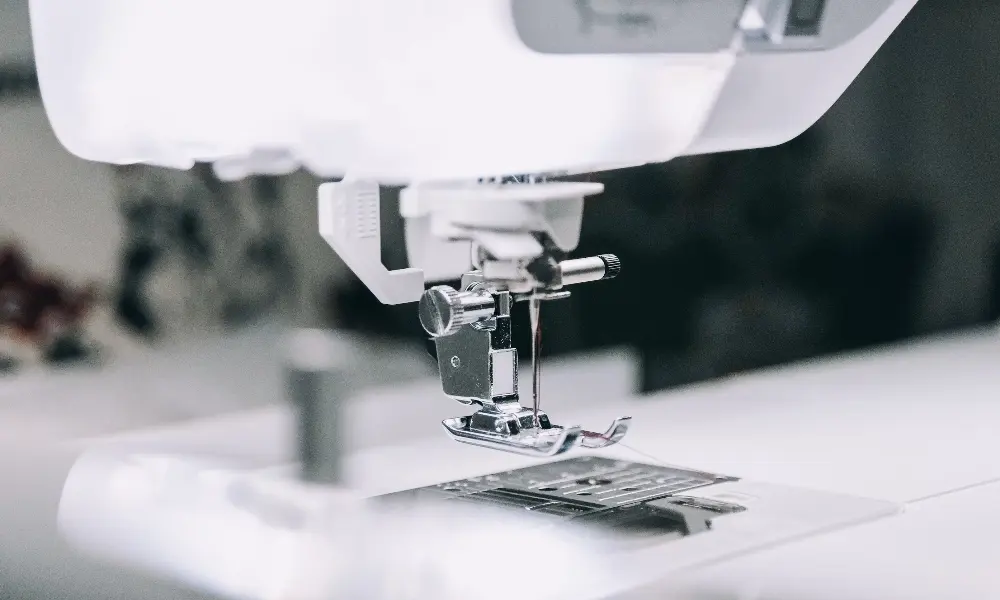
False feed and fabric puckering are often treated as two separate problems. In practice, both are usually symptoms of the same failure: the fabric is not moving through the sewing machine at the same rate as the stitch-forming cycle. A false feed can show up as irregular stitch length, ply shift, or a machine that feeds for a moment and then stalls. Puckering appears as a gathered or wavy seam even when the operator has not pulled the fabric. Before changing needle thread tension or stitch density, check the feed system. Feed dog height, presser foot pressure, throat plate condition, and feed timing usually decide whether the material moves cleanly.
What False Feed and Fabric Puckering Actually Mean
False feed describes material that does not advance in step with needle penetration. It can look like skipped stitches, but the hook is often completing its loop. The problem is that the fabric stays under the needle too long or moves after the needle has entered, so the stitch length becomes short, long, or uneven.
Puckering is the gathered seam left behind when the plies are forced together over a feed stroke that is shorter than the thread path requires. If the feed dog pushes the bottom ply faster than the top ply, the seam can pucker even when thread tension is light. For that reason, tension should be checked later rather than first.
Check Feed Dog Height and Timing Before Changing Tension
The feed dog moves in four stages: rise, advance, fall, and return. It must rise high enough to grip the bottom ply, advance the fabric while the needle is out of the material, then drop below the throat plate before returning. Feed problems usually come from a break in that sequence.
Check height first. If the teeth barely clear the throat plate, the dog cannot move the fabric reliably, and the top and bottom plies may separate. If the teeth rise too far, they can press the fabric against the presser foot, leave tooth marks, or force the material backward. The correct height is the lowest setting that still produces even feed on the actual fabric stack.
Check timing by removing the thread and turning the handwheel slowly. Watch whether the material moves while the needle is still in the fabric. If it does, the dog is fighting the needle and can push the plies out of alignment. Confirm that the feed dog advances the fabric only after the needle clears the material.
Match Presser Foot Pressure to the Fabric Stack
Presser foot pressure controls how firmly the top ply is held against the feed dog. Too much pressure can make the bottom ply move while the top ply drags, especially on dense, spongy, or coated fabrics. Too little pressure lets the fabric lift away from the teeth, producing false feed and short stitch length.
Set pressure by starting low and increasing it in small steps. Sew a marked seam and compare the finished position of the top and bottom plies. If the bottom ply moves farther, reduce pressure or increase feed dog height. If the top ply moves farther, increase pressure slightly. On knits, use lighter pressure to avoid stretching the fabric during feeding. On dense woven stacks, use enough pressure to keep the plies together without flattening the material.
Moisture, Fabric Finish and Machine Setup Change Feed Behavior
The same machine can feed correctly on one fabric and falsely feed on another because surface friction changes. Dense, stiff fabrics respond to aggressive feed, while slippery or tightly finished fabrics need more positive transport. A walking foot, needle feed, or compound feed can help when the plies must be moved as a group.
Upstream preparation also changes the fabric hand. If the steam boiler or ironing station adds moisture unevenly, the fabric can become softer or more slippery at different times of the day, and a feed setting that worked in the morning may fail later.



For that reason, record the fabric type, ply count, and preparation method whenever a feed problem appears. A setting that works on dry material may not be the correct setting after steam conditioning.
Use a Marked Test Seam to Separate Feed Faults From Everything Else
A repeatable test prevents unnecessary adjustment. Mark the fabric at both ends, sew a fixed length, and measure where each ply finishes.
| Observation | Likely feed issue | First check |
|---|---|---|
| Top ply moves more than bottom ply | Feed dog height low or presser foot pressure too high | Lower pressure or raise feed dog height |
| Bottom ply moves more than top ply | Presser foot pressure too low | Increase pressure slightly |
| Stitch length varies while thread is balanced | Feed dog height or timing fault | Check dog height and handwheel movement |
| Fabric feeds at start, then stalls | Throat plate surface or presser foot pressure fault | Inspect plate finish and pressure setting |
| Tooth marks or cutting on the fabric | Feed dog too high or tooth pitch too coarse | Reduce height or change to a finer tooth pitch |
Change only one variable at a time. After each change, sew another marked seam and compare the result with the previous sample. This creates a clear record of which adjustment changed the feed behavior.
When the Feed System Is Correct but Puckering Remains
If feed dog height, timing, and presser foot pressure are stable but the seam still puckers, move the diagnosis to the other inputs. A needle that is too large for the fabric can displace yarns and create a puckered line. Stitch length that is too long can allow the thread to pull the seam together after sewing. A throat plate hole that is too wide lets the fabric push into the opening.
Operator handling matters as well. Pulling the fabric from behind or holding it too tightly changes the feed stroke. On stretch fabrics, even slight manual tension can create a wavy seam. Before replacing the machine or changing the feed system, verify that the operator is guiding the fabric without restricting its movement.
Get Help Matching Feed Systems to Your Fabric Range
Send us a short note with the fabric type and weight, number of plies, machine model, current feed dog height, presser foot pressure, and a photo of the seam. Our team at Taizhou Unique Machine Technology Co., Ltd. can help you choose the right feed system, attachment, or machine configuration. Contact sales@tzpioneer.com or +86-18069305333.
FAQ
What is the difference between false feed and skipped stitches?
A skipped stitch means the hook did not catch the needle thread loop. False feed means the fabric did not move correctly during the stitch cycle. Both can produce a similar visual fault, but the checks are different. Remove the thread and turn the handwheel to see whether the fabric movement is irregular before assuming a hook or needle timing problem.
Can thread tension alone cause puckering if the feed is correct?
Yes. Excessive needle thread tension can draw the seam together and make the fabric pucker even when feeding is stable. The difference is usually visible when the seam is stretched gently. If the pucker disappears when tension is reduced and the stitch remains balanced, tension is the cause. If it remains, move back to feed and material handling.
Does a walking foot fix most feed problems on slippery or stretchy fabric?
A walking foot or compound feed helps move multiple plies together because it adds top transport. It is useful for coated fabrics, slippery linings, and bulky layers, but it will not correct a feed dog that is set too low, timed incorrectly, or matched with the wrong throat plate. Check the basic feed settings before adding an attachment.
What feed dog height should I start with?
Start with the lowest setting that still produces an even stitch on the actual fabric stack. Raise the height only if the bottom ply is not advancing or the plies are separating. If the teeth leave marks or the fabric moves backward, the height is too high. The correct setting must be confirmed on the real material, not taken from a general machine specification.
When should I replace the feed dog rather than adjust it?
Replace the feed dog when the teeth are visibly worn, flattened, chipped, or no longer grip the fabric after height and timing corrections. A worn dog can look acceptable but still slip on dense or coated materials. Also check the throat plate and replace it if the surface is burred or the needle hole is damaged.
If you’re interested, check out these related articles:
Wu Jiling Vice Chairman Of China Sewing Machinery Association And His Delegation Visited The Leading Company For Inspection And Guidance
Live From Cairo Unique Shines At Egy Stitch Tex 2025