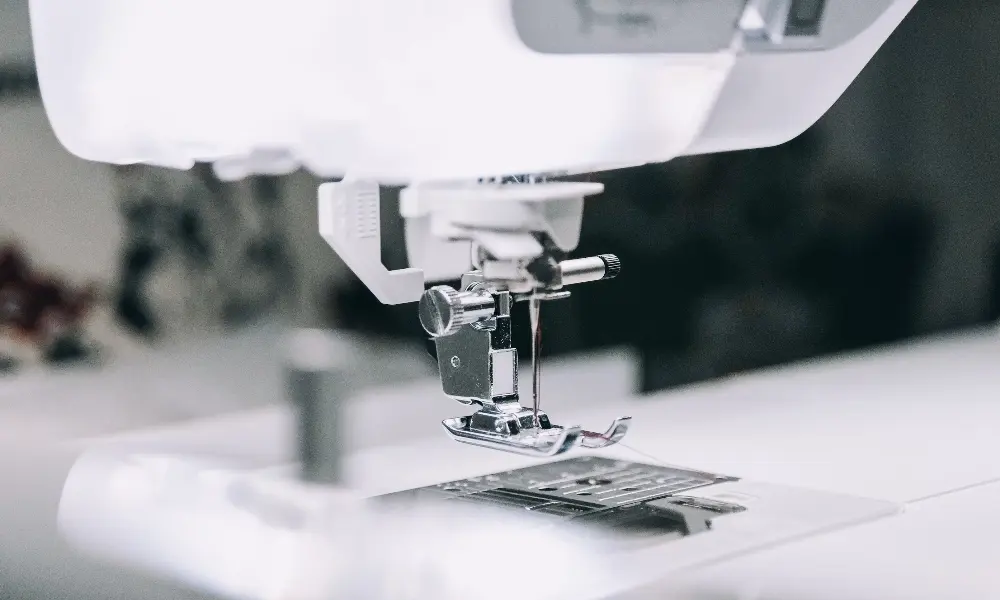
The business case for automated máquina de cosers is usually stated in terms of speed, repeatability, and labor cost. The operational reality is different: an automated workstation only performs to specification when the operator can set it correctly, monitor it, and catch process changes before defects multiply. Upskilling your workforce for automated sewing lines is therefore part of the equipment decision, not a separate training exercise.
Training becomes more structured when the sewing floor uses a common technical language. ISO 4915 defines stitch types, and ISO 4916 defines seam types [1][2]. When operators learn these categories, setup discussions move from “that stitch looks loose” to “the needle thread tension is out of balance on a lockstitch seam.” That precision is exactly what automated line support requires.
Before replacing manual stations, do a skills audit. List the operations, current machine types, and operator experience levels. That inventory will determine whether training should start on template machines, special pattern sewing machines, or a simpler lockstitch-to-automation bridge. If you need help matching the machine list to your existing skill level, contact our team at sales@tzpioneer.com or +86-18069305333.
What Actually Changes on an Automated Sewing Line
Automation changes the operator’s job from stitch pacing to process control. On a template sewing machine or special pattern sewing machine, the guide or program controls much of the seam path. The operator must load the workpiece, recall the correct program, verify needle and thread condition, and inspect the first pieces. On computer-controlled multi-needle machines and automatic pocket setter machines, much of the operator’s skill shifts toward pattern selection, sequence monitoring, and changeover speed.
Machine safety training has to come first. OSHA’s general machine-guarding standard requires workers to understand machine safeguards and safe operating procedures before they use production equipment [3]. A guard, sensor, or light curtain is not a substitute for operator training.
The Skills That Matter Most
Operators moving to automated sewing lines need four broad capabilities:
- Reading stitch and seam specifications using ISO 4915 and ISO 4916 terminology [1][2].
- Setting and controlling machine parameters: stitch length, speed, thread tension, foot pressure, and program selection.
- Handling work aids and templates so automatic stitch paths repeat from piece to piece.
- Performing first-piece inspection and quick condition checks: needle type and sharpness, thread cones, hook and feed dog condition, and lubricant level.
These skills are easier to teach when operators already understand the relationship between stitch type, seam class, and machine setup.
A 30-Day Upskilling Plan for Sewing Operators
A practical training program can be organized into four blocks.
| Training block | Focus | Sign-off |
|---|---|---|
| Days 1–5 | Machine guarding, workstation setup, needle and thread checks | Safety audit and setup without assistance |
| Days 6–15 | Manual baseline on lockstitch and overlock, then one automated program on a template machine | Consistent setup and first-piece approval |
| Days 16–25 | Multiple styles, program changes, basic troubleshooting | Two style changes completed within target time |
| Days 26–30 | Quality audit, defect diagnosis, preventive care | Independent operation and sign-off |
The early blocks are deliberately machine-heavy. Operators who can set up safely and identify quality problems before bulk sewing begins are much more likely to succeed on automated stations.
How to Choose Automation That Supports Upskilling
Not all automated sewing machines have the same operator learning curve. Training-friendly systems typically include:
- A readable operator panel with stored stitch patterns and simple program recall.
- Template or laser guides that reduce manual positioning.
- Automatic thread trimming, automatic presser foot lift, and stitch counting functions.
- Servo motor control for adjustable starting speed and stopping precision.
- Practical guards that do not interfere with normal loading and inspection.
Machines such as template machines, special [pattern sewing machine](https://uniquemachine.cn/product-category/product/sewing-machine/multi-needle-machine/pattern-sewing-machine/)s, and automatic pocket setter machines often deliver the strongest training return because the machine retains the stitch geometry while the operator learns process control.
Machine categories are easier to teach when the trainer can show the difference between cutting, sewing, and embroidery workstations. <Key Differences Between Sewing Embroidery Cutting Machines> covers machine categories that help trainers explain what each workstation actually does.
Automation projects move faster when equipment suppliers and production teams share the same technical language. <Technology Empowers Fashion Nicerbt Unique Attends Hm Supplier Tech Summit Empowering Intelligent Upgrading Of Garment Supply Chain> covers how supplier-level technical exchange supports intelligent upgrading in garment supply chains.
If you are evaluating automated machines for a training program, send your garment type, seam list, and target line speed to sales@tzpioneer.com or call +86-18069305333. The team at Taizhou Unique Machine Technology Co., Ltd. can match machine features to operator training modules so automation does not outpace your staff.
Measuring Upskilling Results
Upskilling should show up in floor metrics, not only training certificates.
| Metric | What it shows |
|---|---|
| First-pass yield | Whether operators catch and correct machine setup before bulk sewing |
| Style-change time | Whether program recall, guides, and work-aid handling are stable |
| Machine utilization | Whether automation is being used for the intended operations |
| Setup-related defects | Whether thread, needle, tension, and guard checks are consistent |
At industry level, the World Economic Forum identifies reskilling as a central workforce response to automation [4]. The International Labour Organization similarly notes that, in garment-related manufacturing, technical and digital training must accompany technology adoption to keep workers employable and factories competitive [5]. McKinsey Global Institute reaches a related conclusion: automation changes task compositions rather than simply eliminating jobs [6]. The same principle applies on the sewing floor — the productive operator is the one who can retrain to the new machine boundary.
Plan Your Upskilling Program Around the Right Machines
Upskilling your workforce for automated sewing lines works best when the training plan and the machine list are designed together. If you are preparing to automate part of your sewing floor, send your current product mix, operator count, and target operations to sales@tzpioneer.com or call +86-18069305333. Our team at Taizhou Unique Machine Technology Co., Ltd. can help you select training-friendly machines, define work instructions, and sequence the upgrade so each training step has a machine ready to support it.
Frequently Asked Questions
Do we need to retrain all operators before buying automated sewing machines?
No. Most factories phase training around the first automated stations. Operators can continue manual work while a small group learns setup, program recall, and first-piece inspection, then transfers that knowledge to the rest of the line.
How long does it take to train a manual operator on a template sewing machine?
It depends on the operator’s current machine knowledge. A worker who can already identify stitch and seam types and perform basic tension checks can often learn standard template machine operation and one or two style changes within a structured 30-day plan.
What should we teach first: machine features or process quality?
Teach safety and setup first, then machine controls, then quality. Once an operator can explain why a seam meets ISO 4915 and ISO 4916 requirements, automation stops being “press a button” and becomes process ownership.
Which machines are best for upskilling a sewing team?
Template machines, special pattern sewing machines, automatic pocket setter machines, button holing machines, and bar tacking machines are often good training platforms because the machine guides the stitch path while the operator learns positioning, program selection, and quality checks.
How do we know if the upskilling program is working?
Measure first-pass yield, style-change time, machine utilization, and setup-related defects. Improvement in these metrics usually indicates that the training is changing floor behavior.
References
- International Organization for Standardization, ISO 4915:1991, Textiles — Stitch types — Classification and terminology, Geneva, 1991.
- International Organization for Standardization, ISO 4916:1991, Textiles — Seam types — Classification and terminology, Geneva, 1991.
- U.S. Occupational Safety and Health Administration, 29 CFR 1910.212, General requirements for all machines, Washington, D.C.
- World Economic Forum, The Future of Jobs Report 2023, Geneva, 2023. [Online]. Available: https://www.weforum.org/reports/the-future-of-jobs-report-2023/
- International Labour Organization, The Future of Work in the Textile, Clothing, Leather and Footwear Industries, Geneva, 2020. [Online]. Available: https://www.ilo.org/
- McKinsey Global Institute, Jobs Lost, Jobs Gained: What the Future of Work Will Mean for Jobs, Skills, and Wages, 2017. [Online]. Available: https://www.mckinsey.com/featured-insights/future-of-work/jobs-lost-jobs-gained-what-the-future-of-work-will-mean-for-jobs-skills-and-wages
If you’re interested, check out these related articles:
Cena de agradecimiento a proveedores de Milin Group Taizhou Center Taizhou
Meetlin Group Conducts Technical Exchange With Zhejiang Qixing Empowering Service Upgrading Of Unique Series Equipment In The Market
Unique Team Visited The Southeast Asian And South Asian Markets
Unveiling Ceremony Of Milin Group Taizhou Center