Sewing in wet environments shortens machine life when standard steel parts, exposed shafts, and open bearing housings remain in contact with water, steam, or process chemicals. Corrosion-resistant options are not a single machine type. They are a controlled combination of materials, coatings, sealing, and maintenance that protects the areas most likely to rust or seize. For garment laundries, dyehouse-adjacent lines, rainwear and outdoor equipment plants, or any line exposed to salt spray from coastal air, this selection matters more than top speed. This article explains where corrosion starts, which material and protection choices hold up, and how to specify equipment so you do not pay for protection that does not match the exposure.
Where Moisture and Corrosion Start in a Sewing Line
In garment plants, the main moisture sources are not always the sewing operation itself. Wet processing, washing, drying, steam pressing, and boiler condensate raise humidity and deposit water on machine surfaces. In coastal facilities, airborne salt adds a chloride load that accelerates attack even when parts look dry. Sewing machines placed on the same floor as these processes need protection even if they never sit in standing water.
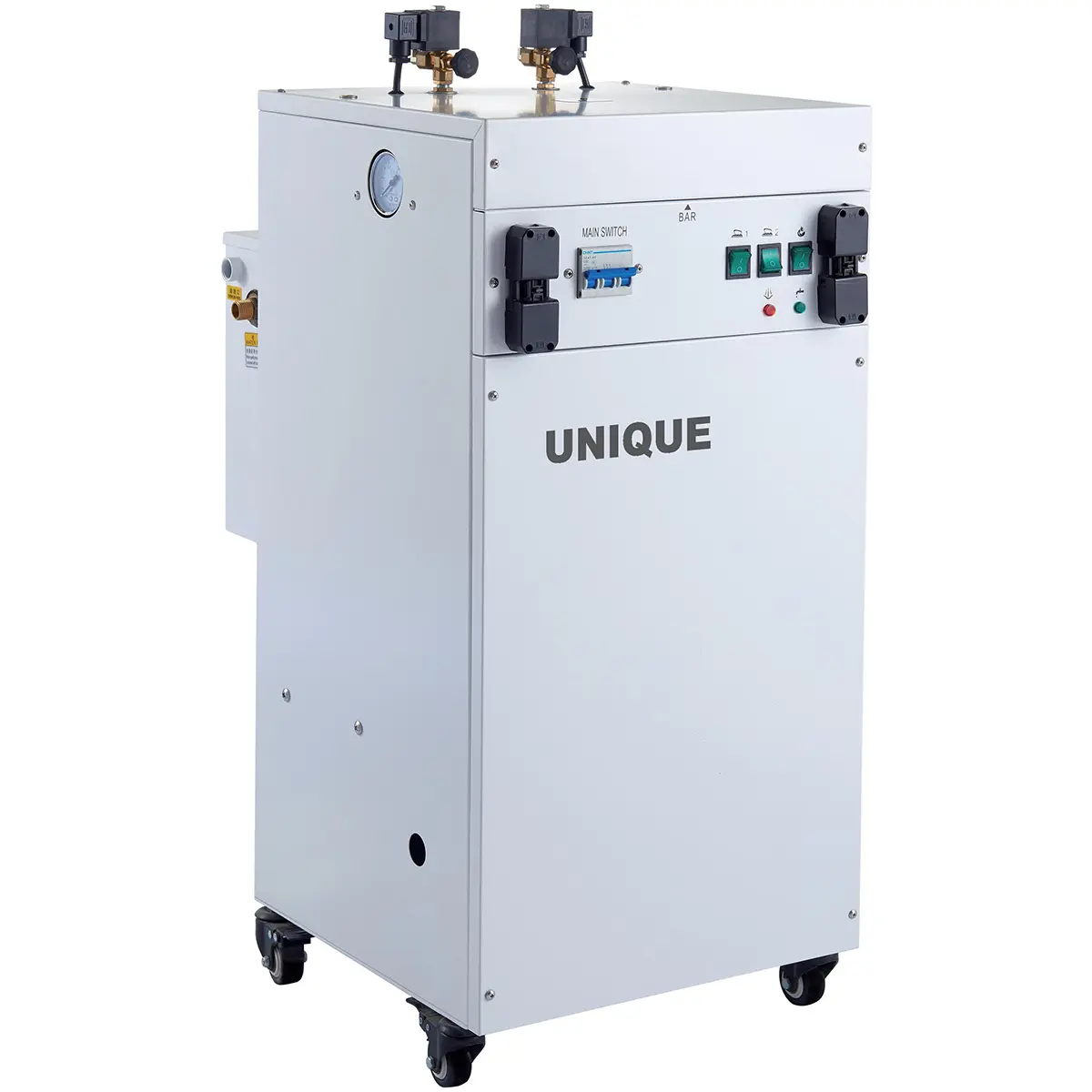
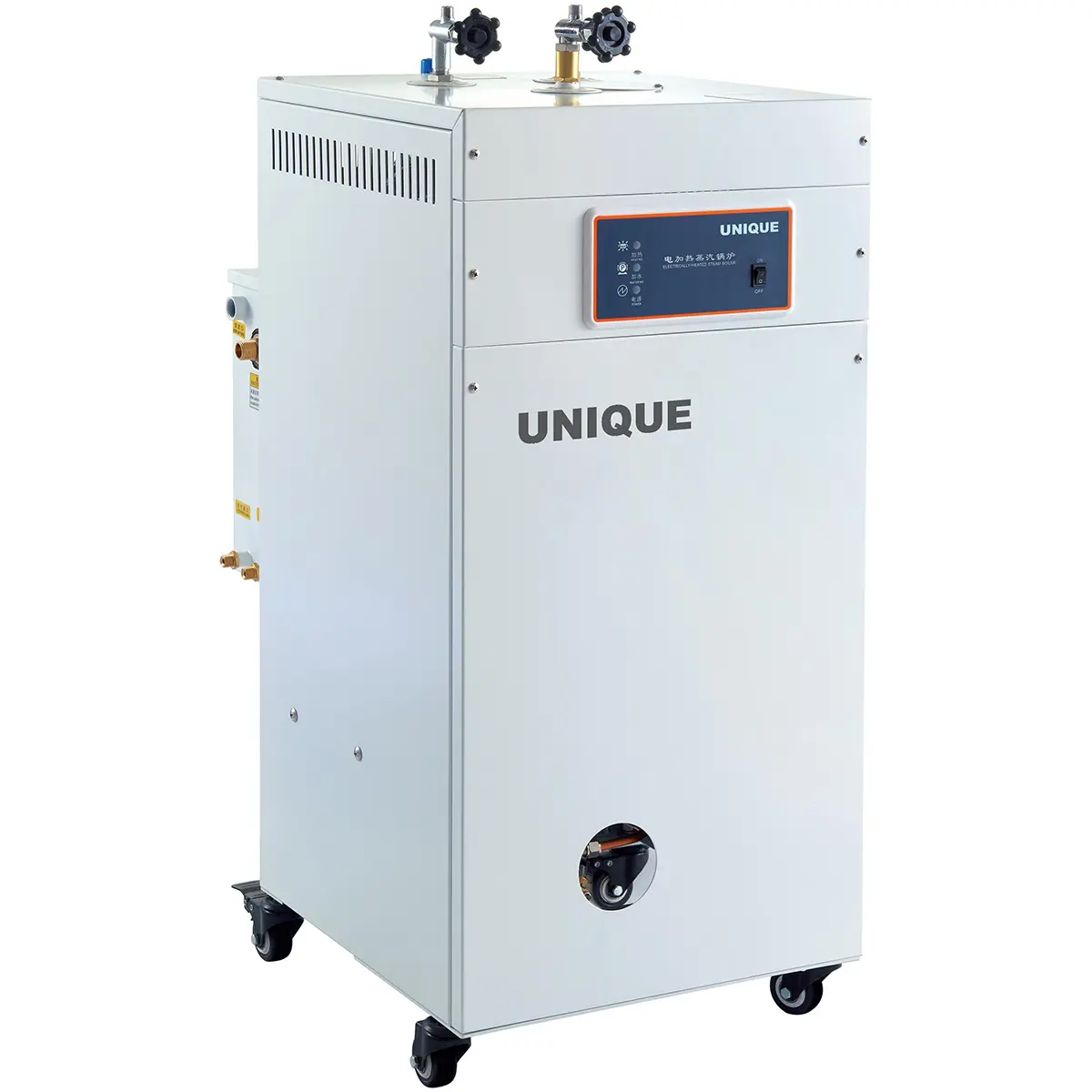
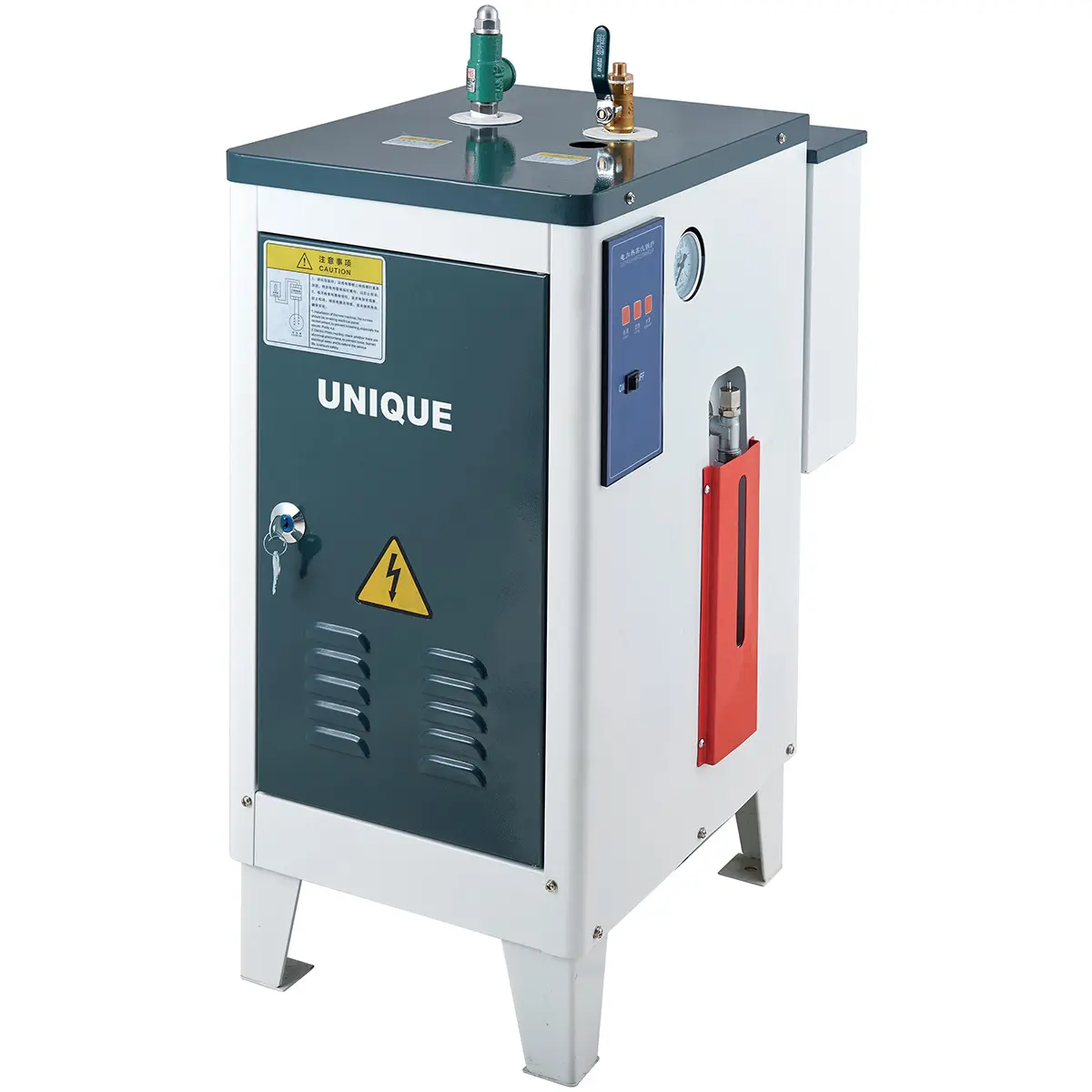
Steam finishing lines carry a related risk. An undersized or poorly drained steam generator can release continuous moisture, and condensate from ironing stations can drip onto nearby sewing heads.

Moisture alone is not the only threat. Sewing machine corrosion often accelerates when water carries detergent residue, dye chemicals, softener, sweat salts from garment handling, or alkaline cleaning agents. These contaminants create an electrolyte layer between dissimilar metal parts, so corrosion can begin at a screw thread, hinge, or bearing seat long before rust appears on the main frame. The first visible sign is usually not a rusted panel. It is a stiff handwheel, a rough needle bar, or a feed dog that begins to mark fabric.
Materials That Resist Corrosion in Sewing Machines
The most reliable approach is to match the material to the exposure, not to replace every steel part with stainless steel. Stainless steel improves corrosion resistance, but it can also be softer than hardened carbon steel in high-wear areas such as needle bars, presser feet, and feed dogs. A better specification mixes hardened, coated, and stainless components where each one is required.
| Component | Common standard material | Corrosion-resistant option | What to check |
|---|---|---|---|
| Needle bar and presser bar | Hardened carbon steel | Hard-chrome or stainless steel | Surface finish, hardness, and fit |
| Throat plate and feed dog | Nickel-plated steel | Stainless steel or ceramic-coated feed dog | Burrs and coating wear |
| Frame and table | Painted cast iron | Epoxy-coated cast iron or stainless cladding | Chipping at corners and edges |
| Fasteners and hinges | Zinc-plated steel | Stainless steel fasteners | Thread condition and strength |
| Shafts and bushings | Ground steel | Sealed stainless or coated bearing surfaces | Seal condition and free movement |
| Electrical enclosure | Powder-coated panel | Sealed enclosure with gaskets | Condensation inside the panel |
Do not assume that every stainless part is interchangeable with a hardened steel part. The supplier should confirm whether a stainless needle bar or feed dog has the same hardness, straightness, and wear life for the intended fabric weight. In a light synthetic fabric line, stainless components may work well. In heavy denim or canvas work, a hardened chrome surface may be the better trade-off.
Coatings and Surface Treatments That Work
Hard chrome, nickel-chrome, ceramic, epoxy powder coat, and sealed paint systems all help, but they protect in different ways. Hard chrome and ceramic treatments work where the part needs wear resistance and low friction. Epoxy and powder coating protect cast-iron frames and tables when the coating remains intact. Once a coating chips or cracks, moisture can travel beneath the surface and lift the film while the visible damage still appears small.
The most important factor is surface preparation before coating. A poorly prepared casting can look acceptable in a catalogue photo and still fail early in a humid room. Ask the supplier where the coating is applied, whether edges and holes are sealed, and which areas are masked from coating because they must remain dimensionally accurate.
Sealing, Lubrication, and Electrical Protection
Corrosion-resistant machinery should also limit how much moisture reaches sensitive moving parts. Sealed bearings, O-ring protected shafts, and closed gear housings reduce the need for constant relubrication. In wet rooms, use lubricants that resist washout and avoid light oils that quickly emulsify with water. The goal is to keep a stable oil film where metal parts meet and to prevent water from entering through the top of the shaft or a poorly oriented drain hole.
Electrical protection is separate from mechanical corrosion protection. An enclosure with a higher ingress protection rating can keep out water spray, but it does not automatically prevent corrosion if humid air is trapped inside and allowed to condense. Look for gasketed doors, cable glands, and a drain position that lets condensation leave without pooling on terminals. In coastal or washdown areas, the motor, control box, and switch positions matter as much as the sewing head materials.
Machine Choices for Wet and Washdown Areas
The best machine choice depends on how much water is present and whether the machine is in the wet zone or merely near it. A sewing line beside a drying room may only need sealed bearings, coated fasteners, and a stainless throat plate. A machine used directly in rainwear taping, marine fabric sewing, or post-wash garment assembly may need a more complete protected package.
Direct-drive machines often have fewer exposed belt and clutch components than older clutch-motor setups. This can reduce the number of places where water and lint collect. However, the servo motor enclosure and its cable connections still need protection. A sealed motor that is installed below a leaking steam line will fail just as surely as an open one. Fix the environmental source first, then specify the machine.
Sourcing Checklist for Corrosion-Resistant Sewing Equipment
A clear sourcing checklist prevents the common mistake of buying a protected sewing head and mounting it on an unprotected table.
- Identify the moisture source, including steam, condensate, washdown spray, humidity, and coastal air.
- List the process chemicals that may contact the machine, including detergent, dye, salt, or finishing agents.
- Ask for the material treatment of the needle bar, presser bar, throat plate, feed dog, frame, and fasteners.
- Confirm that bearing and shaft protection is specified, not only painted surfaces.
- Check the electrical enclosure gaskets, cable entry points, and condensation drainage.
- Request the cleaning and lubrication procedure recommended for the machine.
- Compare the protection level with the actual wet zone, so you do not buy washdown-grade equipment for a normal high-humidity room.
Corrosion-resistant machinery is easiest to maintain when the wet-area sewing stations, stand tables, and local spare parts are specified as one package. Otherwise a sealed stainless head can be mounted on a painted table that corrodes first, or critical fasteners arrive from a different parts list.
Procurement decisions for wet-area lines usually extend beyond one machine, because stainless or sealed parts need to match across the whole sewing station and service plan. <Your One Stop Sewing Equipment Procurement Platform> covers how a coordinated equipment list shortens installation and makes spare parts demand more predictable.
Maintenance That Keeps Corrosion Under Control
Even good materials fail early if the maintenance routine works against them. Do not use high-pressure water directly on sewing heads, because the jet can push water into seals and electrical boxes. Wipe down surfaces with a damp cloth, then dry them. If the room has heavy condensation, run a short daily inspection at startup to catch water that settled overnight.
Lubrication should follow a schedule matched to the room. In humid plants, oil can become contaminated faster than the machine manual assumes. Check oil sight glasses for cloudiness, which can indicate water mixing into the lubricant. Examine fasteners and hinges during cleaning. If a zinc-plated screw is rusting, replace the set with stainless fasteners before the thread seizes and repair becomes more expensive.
Specifying Protection Without Overpaying
Not every wet-area machine needs a fully stainless construction. The specification should follow the exposure. If the machine sits in a humid room with occasional condensation, sealed bearings, a coated frame, and a stainless throat plate may be enough. If it sits where water droplets regularly land, add protected shafts, stainless fasteners, and a gasketed electrical enclosure. If it faces washdown spray or salt air, ask for a supplier-confirmed washdown package rather than assuming that a higher price means better protection.
Request evidence in the form that can be checked: which parts are stainless, which are coated, which seals are used, and what cleaning method was assumed during design. A supplier claim that a machine is corrosion resistant should identify the components and conditions behind that statement. Without that detail, the buyer cannot know whether the protection covers a coastal shelf or an actual wet production line.
Next Step for Wet-Area Machine Selection
If you are equipping a wet processing line, send the machine list and the main exposure conditions: steam, condensate, washdown, chemical contact, or coastal air. Include the fabric range and the current corrosion points on your existing machines. Contact the UNIQUE team at sales@tzpioneer.com or call/WhatsApp +86-18069305333, and we can help you compare corrosion-resistant options without specifying protection you do not need.
FAQ
Do I need stainless steel machines for a wet environment?
Not necessarily. Stainless steel helps where water and moisture directly contact the part, but hardened steel may be the better choice in high-wear areas. A protected machine can combine a coated cast-iron frame, sealed bearings, stainless fasteners, and hard-chrome moving parts. Match the material to the specific moisture and wear exposure instead of buying an all-stainless machine by default.
Can I retrofit my existing sewing machines for corrosion resistance?
Partial retrofitting is possible. You can replace fasteners, throat plates, feed dogs, and some shafts with corrosion-resistant versions, improve electrical enclosure seals, and change to a washout-resistant lubricant. The frame and castings are harder to retrofit. If the main frame is already pitted or the bearing seats are damaged, replacement may be cheaper than repeated repair.
What is the most common corrosion point on a sewing machine?
The most common early points are screw threads, hinges, needle bars, and the area around the throat plate. These are places where water can sit, where coatings are thin, or where different metals meet. Surface rust on a painted panel is often noticed later, while a stiff needle bar or a corroded screw may already be causing stitch quality problems.
Does a higher IP rating always mean better corrosion protection?
No. An IP rating describes protection against water and dust ingress, but it does not guarantee corrosion resistance once humid air is trapped inside an enclosure. Condensation can still form on internal terminals. Look at the enclosure drainage, gaskets, cable glands, and whether internal surfaces are protected, not only the IP number.
How do I verify a supplier’s corrosion-resistance claim?
Ask for the component list behind the claim. Request which parts are stainless, which coatings are used, which seals are installed, and what cleaning or washdown conditions the equipment was designed to handle. If the supplier cannot identify the protected components and conditions, treat the claim as general marketing rather than a specification.
If you’re interested, check out these related articles:
Milin Group Taizhou Center Taizhou Supplier Appreciation Dinner
Unique Strength Debut At Jiam 2024
Unique Shines At Itcpe Vietnam Texprint 2025 Attracting Crowds And Media Spotlight
Empowering Hanoi Shaping The Future Meetlin Successfully Hosts Vietnam Garment Industry 4 0 Summit